Dance is often seen as a fun extracurricular activity, but its benefits go far beyond learning steps and routines. For children, dance provides valuable opportunities to develop physically, emotionally, socially, and creatively while enjoying an engaging and supportive environment
From building confidence and coordination to improving communication and teamwork, dance classes can play an important role in a child’s overall development. Whether your child dreams of performing on stage or simply enjoys moving to music, dance can help them develop skills that extend far beyond the studio.
In this guide, we’ll explore seven proven benefits of dance classes for child development and why so many parents choose dance as part of their child’s growth journey.
Why Dance Is More Than Just Movement
Many people think of dance as simply learning choreography and performing routines. While these are certainly part of the experience, dance also helps children develop important life skills that support their growth both inside and outside the classroom.
Dance combines physical activity, creativity, discipline, teamwork, and self-expression in a way that few activities can. Children learn how to listen, follow instructions, work with others, and express themselves confidently while staying active and engaged.
As children progress through dance classes, they often develop stronger social skills, better body awareness, improved concentration, and greater self-confidence. These benefits can positively influence many areas of their lives, including school, friendships, and personal development.
1. Dance Builds Confidence and Self-Esteem
One of the most valuable benefits of dance classes for children is the boost in confidence they often experience over time.
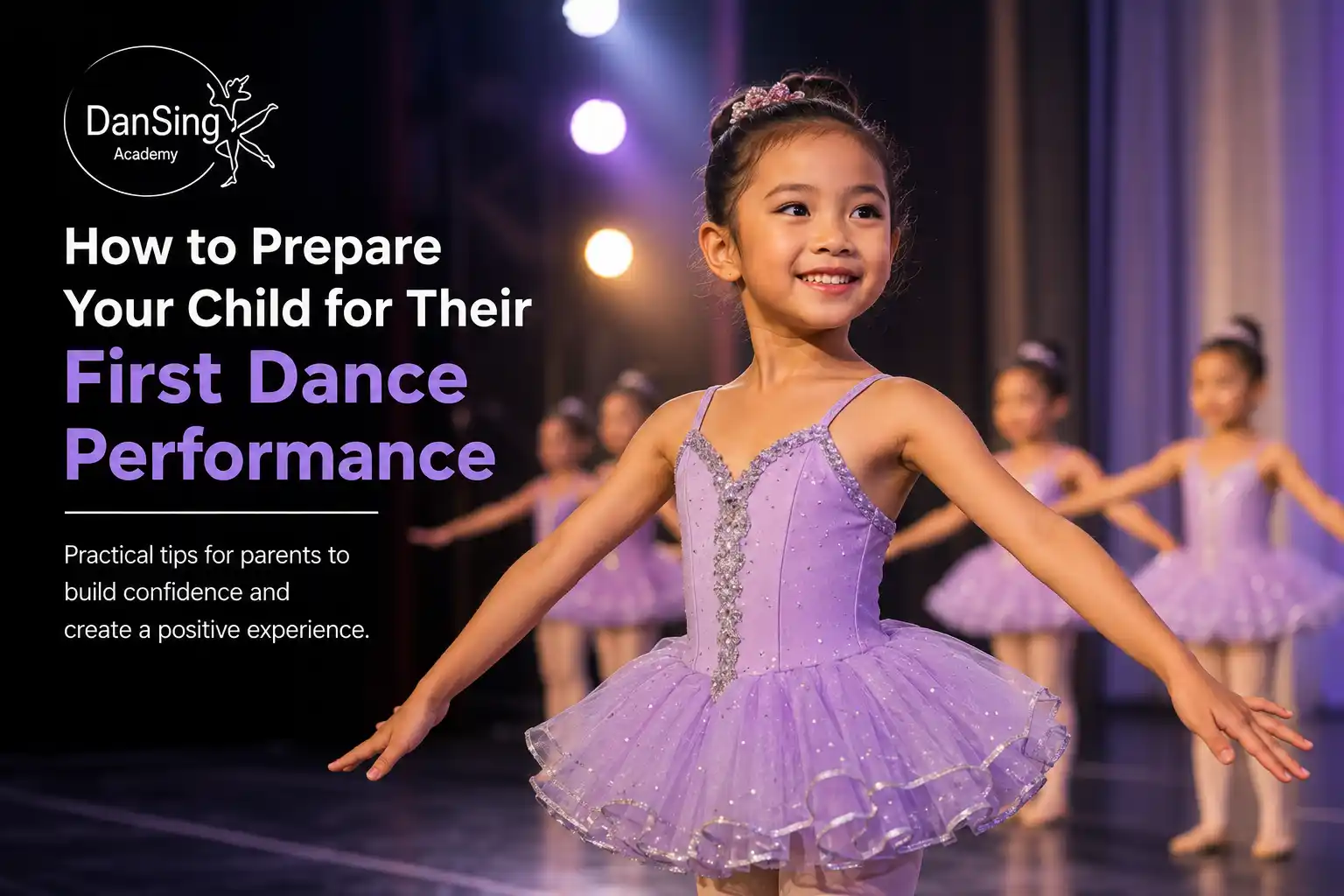
Learning new movements, mastering routines, and performing in front of others can help children feel proud of their achievements. Every small success contributes to a stronger sense of self-belief and accomplishment.
Dance also provides children with opportunities to step outside their comfort zones in a supportive environment. As they become more comfortable expressing themselves through movement, they often gain confidence that carries into other areas of life.
Children who participate in dance classes may become more willing to:
- Speak up in class
- Participate in group activities
- Try new experiences
- Perform in front of an audience
- Express their ideas and emotions
Over time, these experiences can help children develop healthy self-esteem and a positive mindset that supports their personal growth.
2. Dance Improves Coordination and Motor Skills
Dance classes provide an excellent way for children to develop coordination, balance, flexibility, and overall body control.
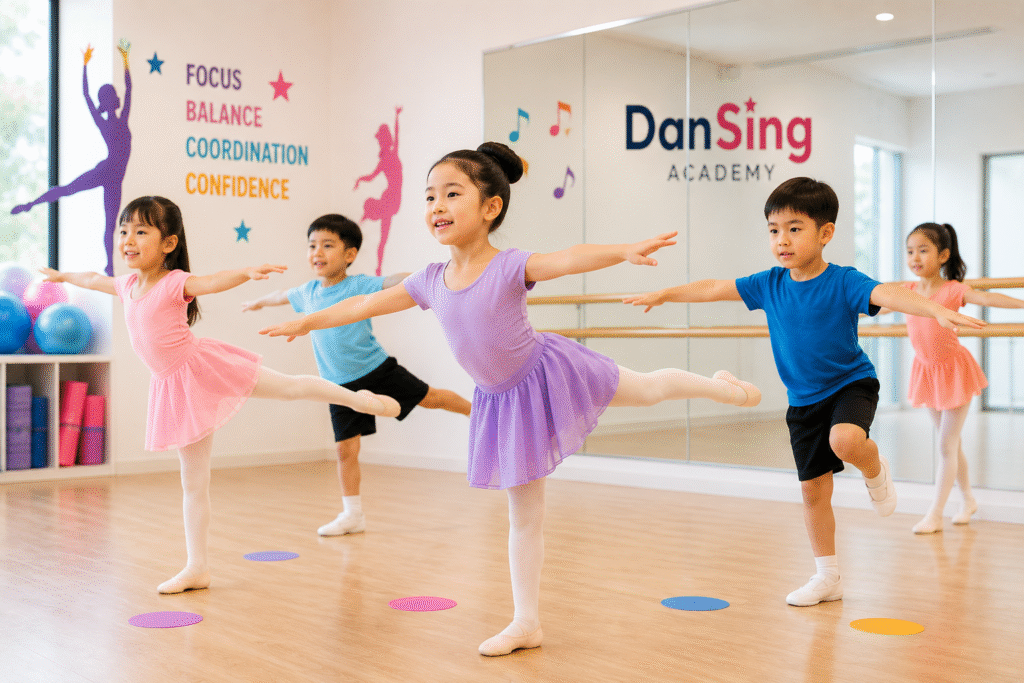
Through structured movement exercises and choreography, children learn how to control their movements with greater precision. They become more aware of how their bodies move through space and how different parts of the body work together.
Dance helps children improve:
- Balance and stability
- Hand-eye coordination
- Spatial awareness
- Posture and body alignment
- Flexibility and mobility
- Gross motor skills
These physical skills can support children’s performance in sports, playground activities, and everyday tasks while encouraging a healthy and active lifestyle.
3. Dance Encourages Creativity and Self-Expression
Dance gives children a unique opportunity to express themselves in ways that words sometimes cannot. Through movement, music, and performance, children learn how to communicate emotions, ideas, and stories creatively.
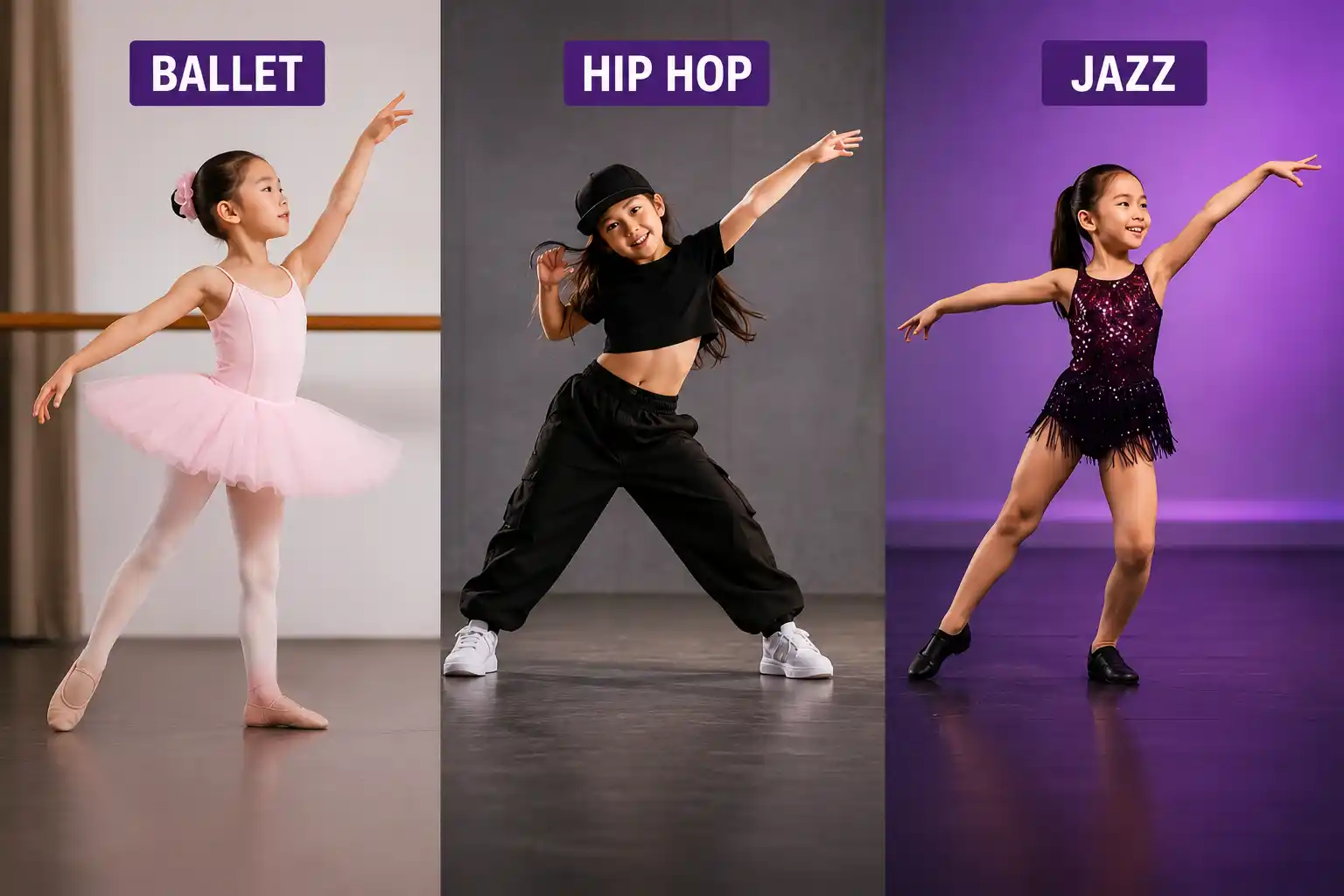
Unlike many structured activities, dance encourages imagination and personal interpretation. Children can explore different styles of movement, experiment with expression, and develop their own creative voice.
Creative expression through dance can help children:
- Build imagination and creativity
- Express emotions in a healthy way
- Develop confidence in their ideas
- Improve problem-solving abilities
- Think creatively and independently
These creative skills often transfer into school projects, social interactions, and future learning experiences.
4. Dance Helps Children Develop Social Skills
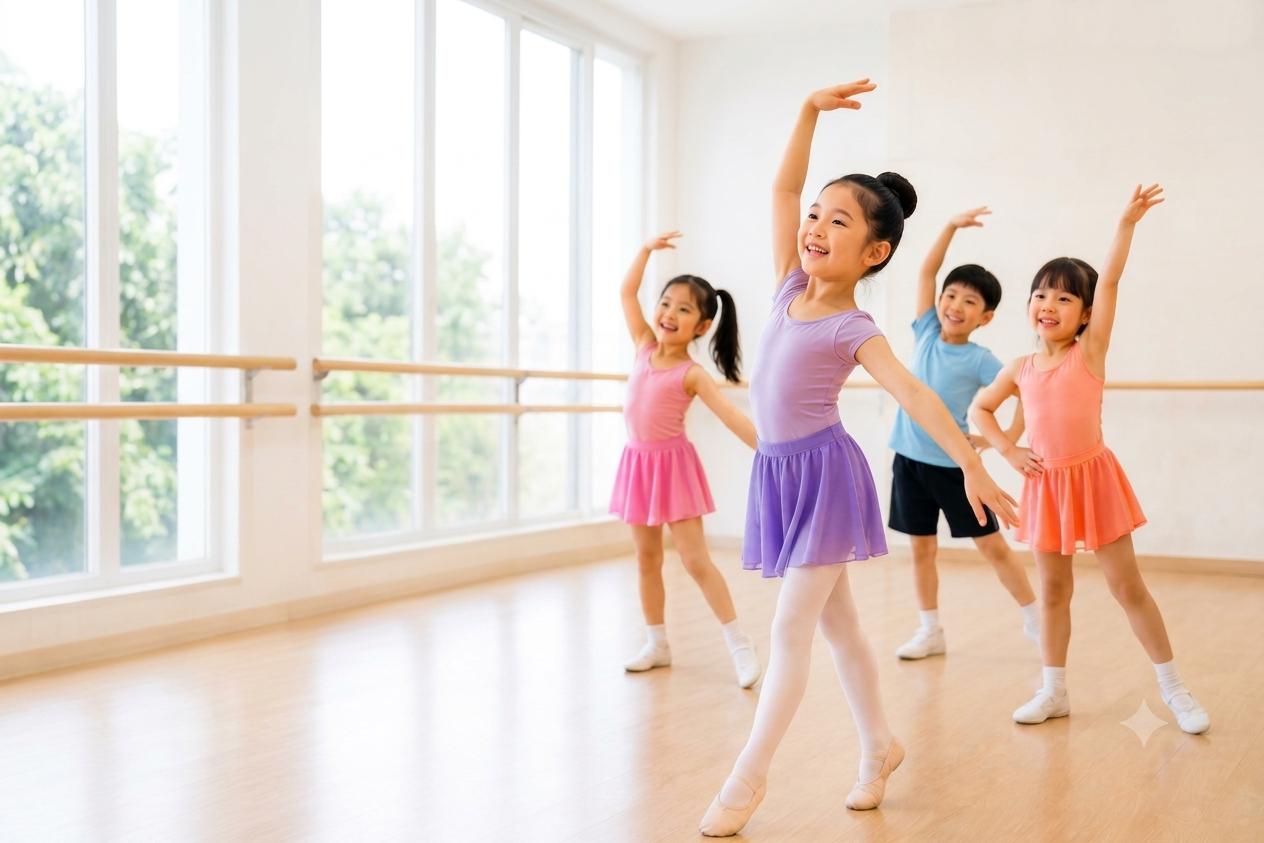
Dance classes are often highly social environments where children learn how to interact, cooperate, and work with others. Whether practicing routines together or participating in performances, students learn valuable teamwork skills.
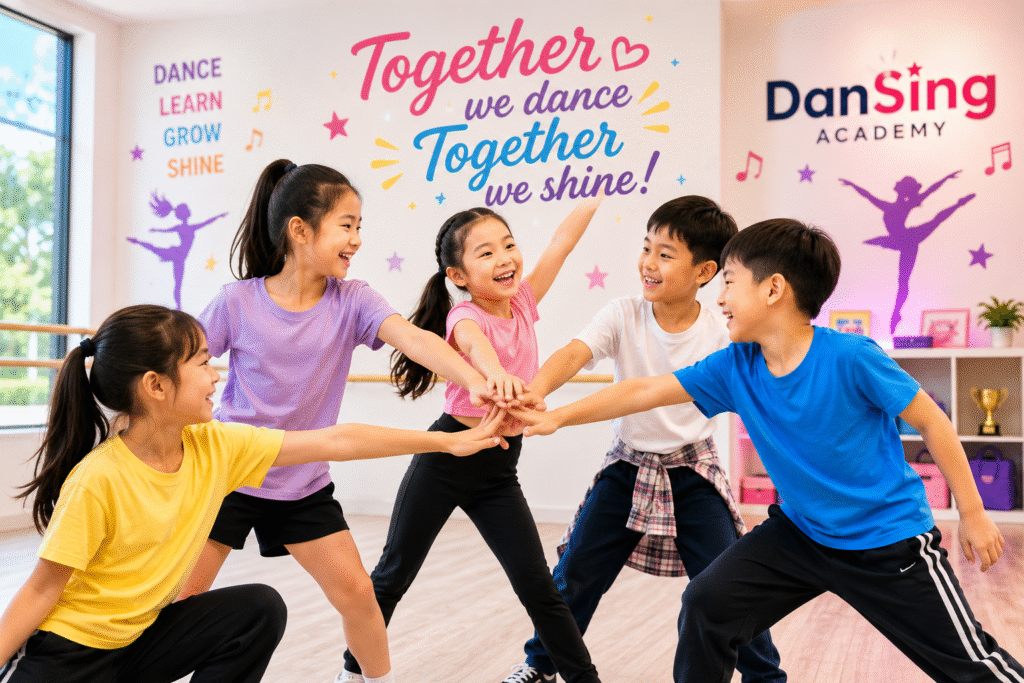
Children regularly interact with instructors and classmates, helping them develop communication skills and build friendships with children who share similar interests.
Dance classes can help children learn how to:
- Work effectively as part of a team
- Respect others and take turns
- Communicate clearly
- Support and encourage classmates
- Build positive friendships
For younger children especially, these social experiences can contribute significantly to emotional development and confidence in group settings.
Many parents notice that children who participate in dance become more comfortable interacting with others and participating in social activities.
5. Dance Improves Focus, Discipline, and Listening Skills
Dance requires children to pay attention, follow instructions, remember sequences, and practice consistently. These experiences help build discipline and concentration skills that can benefit them in many areas of life.
During classes, students learn how to listen carefully to instructors, follow directions, and stay focused on tasks. They also discover that improvement comes through practice, patience, and persistence.
Dance helps children develop:
- Listening skills
- Concentration and focus
- Self-discipline
- Commitment and responsibility
- Time management habits
- Goal-setting skills
These qualities can support academic performance and help children develop a strong work ethic that serves them well throughout life.
As children progress in their dance journey, they often become more confident in their ability to learn new skills and overcome challenges through consistent effort.
6. Dance Supports Physical Health and Fitness
In today’s digital world, many children spend a significant amount of time sitting in classrooms or using screens. Dance provides a fun and engaging way to stay physically active while developing healthy habits from an early age.
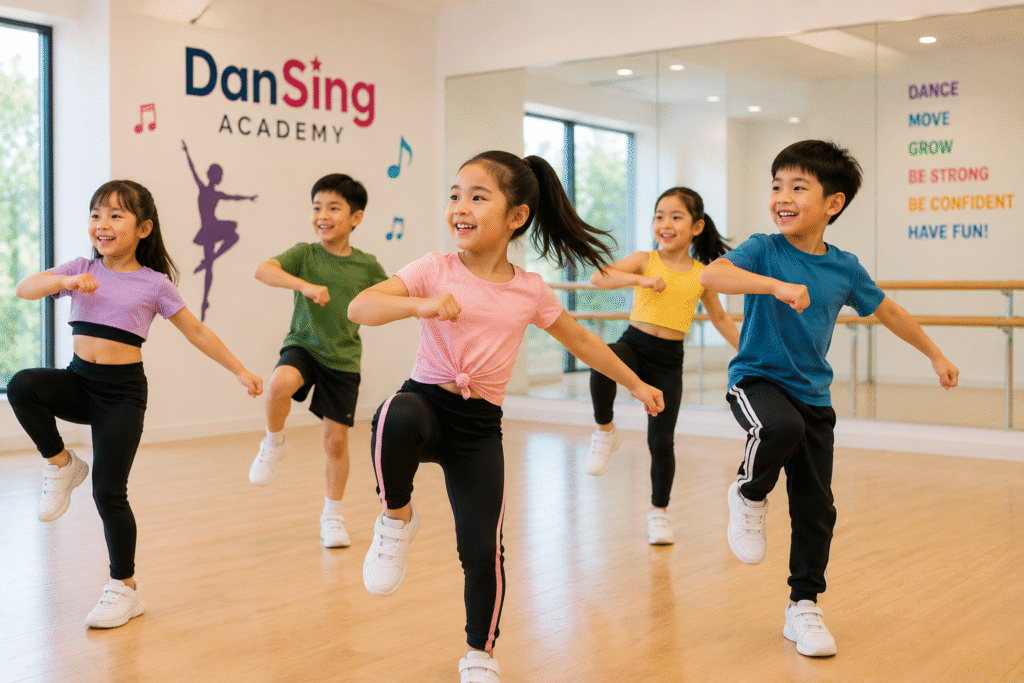
Unlike some forms of exercise that may feel repetitive, dance combines movement, music, and creativity, making physical activity enjoyable for children of all ages.
Regular dance classes can help children improve:
- Cardiovascular fitness
- Strength and endurance
- Flexibility
- Balance and coordination
- Posture and body awareness
- Overall physical wellbeing
Staying active through dance can also support healthy growth and encourage children to develop a positive relationship with exercise that lasts into adulthood.
Most importantly, children often don’t view dance as exercise. They simply enjoy moving, learning, and having fun with their classmates.
7. Dance Creates a Lifelong Love of Learning and Performance
Dance is more than just a skill that children learn during a class. For many students, it becomes a lifelong passion that continues to bring joy, confidence, and personal growth.
As children gain experience, they often develop a greater appreciation for creativity, music, performance, and artistic expression. These experiences can inspire them to continue learning, exploring new challenges, and pursuing their interests with enthusiasm.
Dance can also provide opportunities for:
- Stage performances
- Creative expression
- Personal achievement
- Leadership development
- Team collaboration
- Lifelong appreciation of the arts
Whether a child chooses to continue dancing long-term or simply enjoys the experience for a few years, the lessons learned through dance often stay with them for life.
How to Choose the Right Dance Class for Your Child
Every child is different, which is why finding the right dance class is important. The best program should match your child’s age, personality, interests, and learning style.
When evaluating dance classes, parents should consider:
- Age-appropriate curriculum
- Qualified and experienced instructors
- Safe and supportive learning environment
- Class size and individual attention
- Performance opportunities
- Availability of trial classes
- Focus on enjoyment as well as skill development
A positive dance experience should help children build confidence, develop new skills, and enjoy the learning process without unnecessary pressure.
Many parents find that starting with a trial class is the best way to determine whether a program is the right fit for their child.
Frequently Asked Questions
Dance classes help children develop confidence, coordination, creativity, communication skills, social skills, discipline, and physical fitness while providing a fun and engaging learning experience.
Many children can begin age-appropriate dance classes from around 3 years old. However, the ideal age depends on a child’s interests, confidence, and readiness to participate in structured activities.
Yes. Dance encourages self-expression, social interaction, and performance opportunities that can help children gradually build confidence in a supportive environment.
Absolutely. Dance helps children develop balance, body awareness, flexibility, spatial awareness, and overall coordination through regular movement and practice.
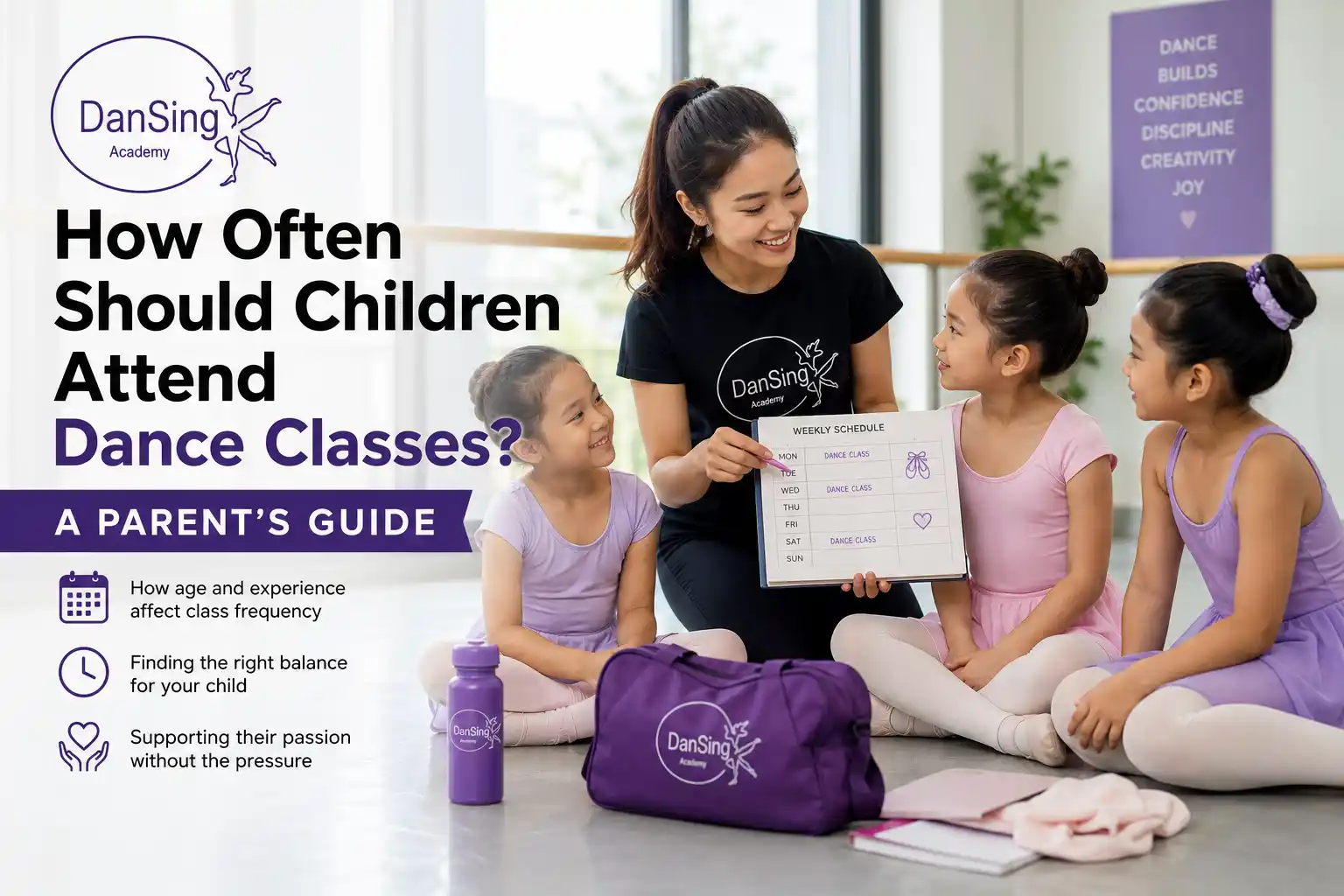
For most beginners, one or two classes per week provides a good balance between skill development, enjoyment, and other commitments.
No. Many children join dance classes simply to stay active, build confidence, develop social skills, and enjoy creative expression. Professional performance goals are not required to benefit from dance education.
Final Thoughts
The benefits of dance classes for children extend far beyond learning choreography. Dance helps children develop confidence, creativity, coordination, communication skills, discipline, and physical fitness while having fun in a supportive environment.
Whether your child is naturally energetic, loves music, enjoys creative activities, or simply wants to try something new, dance can provide valuable experiences that contribute to their overall development.
Most importantly, dance gives children a safe space to express themselves, build friendships, and discover their potential while developing skills that can benefit them throughout their lives.
Ready to help your child experience the benefits of dance? Explore DanSing Academy’s dance programs and book a trial class to see how dance can support your child’s growth, confidence, and development.