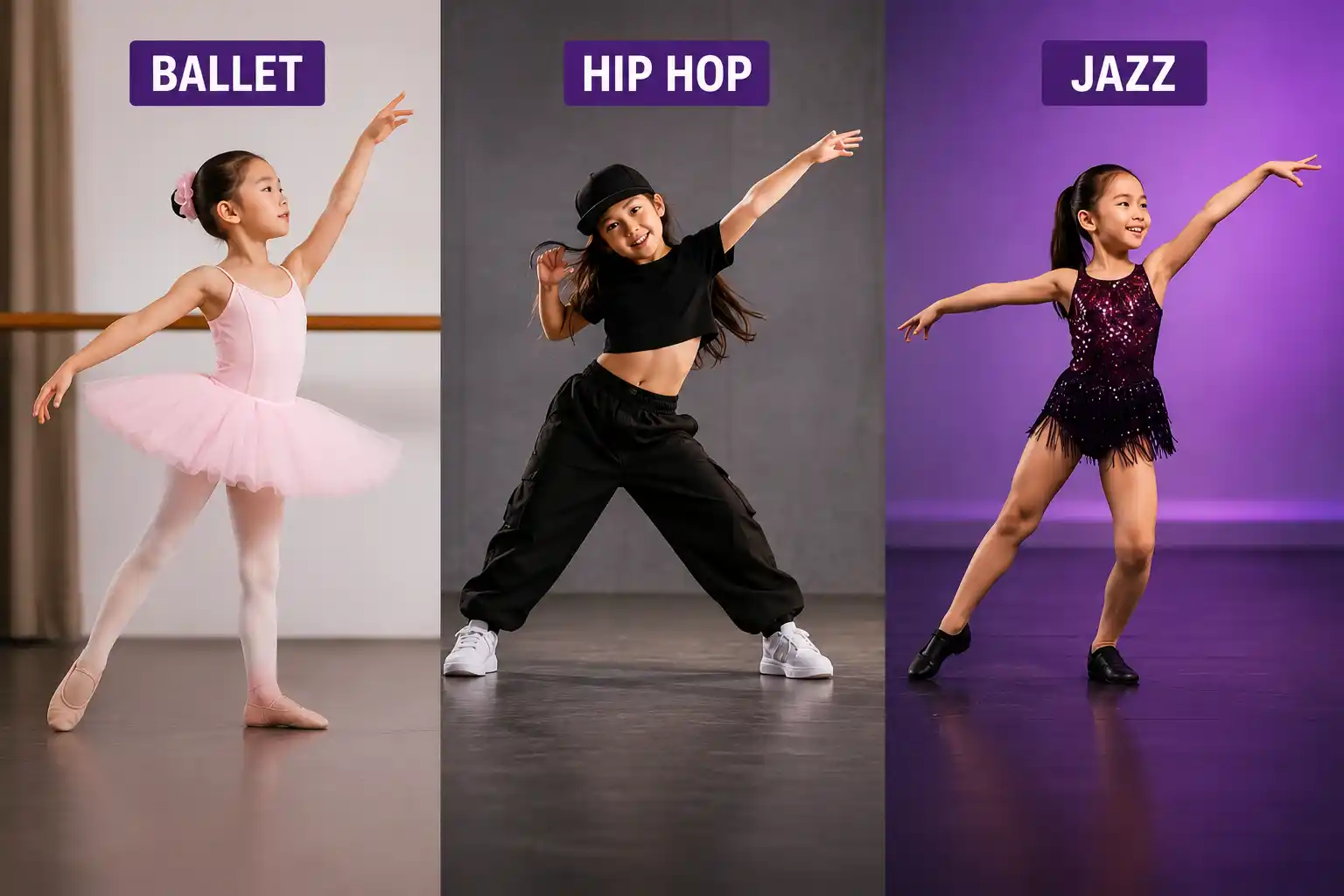
Choosing a dance class for your child can feel confusing when there are so many styles to explore. Ballet, hip hop, and jazz are three popular dance styles for kids, but each offers a different learning experience, movement style, and approach to performance.
Some children enjoy the structure and technique of ballet. Others prefer the energy and freedom of hip hop, while creative performers may feel more at home in a lively jazz dance class.
The right choice often depends on your child’s personality, interests, energy level, and how they enjoy expressing themselves. There is no single dance style that is best for every child.
If your child is completely new to performing arts, our guide to the best age to start performing arts classes can help you understand what children may experience at different stages of development.
In this parent-friendly guide, we’ll compare ballet vs hip hop vs jazz, explore the benefits of each dance style, and help you decide which class may be the best starting point for your child.
What Are the Main Dance Styles for Kids?
Children can explore many forms of dance, but ballet, hip hop, and jazz are often popular starting points. Each style teaches movement, coordination, rhythm, and confidence in a different way.
Understanding the basic differences can make it easier to choose a class that matches your child’s natural interests and personality.
| Dance Style | Main Focus | May Suit Children Who Enjoy |
|---|---|---|
| Ballet | Technique, posture, balance, and controlled movement | Structure, focus, and graceful movement |
| Hip Hop | Rhythm, energy, musicality, and self-expression | Popular music, energetic movement, and creativity |
| Jazz | Performance, flexibility, musicality, and expressive movement | Stage performance, dynamic routines, and creativity |
Quick Answer for Parents
Ballet may suit children who enjoy structure and controlled movement. Hip hop may appeal to energetic children who love rhythm and self-expression. Jazz may be a good fit for children who enjoy expressive routines and stage performance.
However, a child’s first choice doesn’t need to become their permanent dance style. Trying a class can help them discover which type of movement they genuinely enjoy.
Dance also offers benefits beyond learning choreography. Our guide to the benefits of dance classes for child development explores how regular dance activities can support confidence, coordination, social skills, and physical development.
Ballet for Kids: Best for Structure and Technique
Ballet is one of the most recognised dance styles for kids and is known for its focus on technique, posture, balance, and controlled movement. Classes usually follow a structured learning approach that helps children develop skills gradually through regular practice.
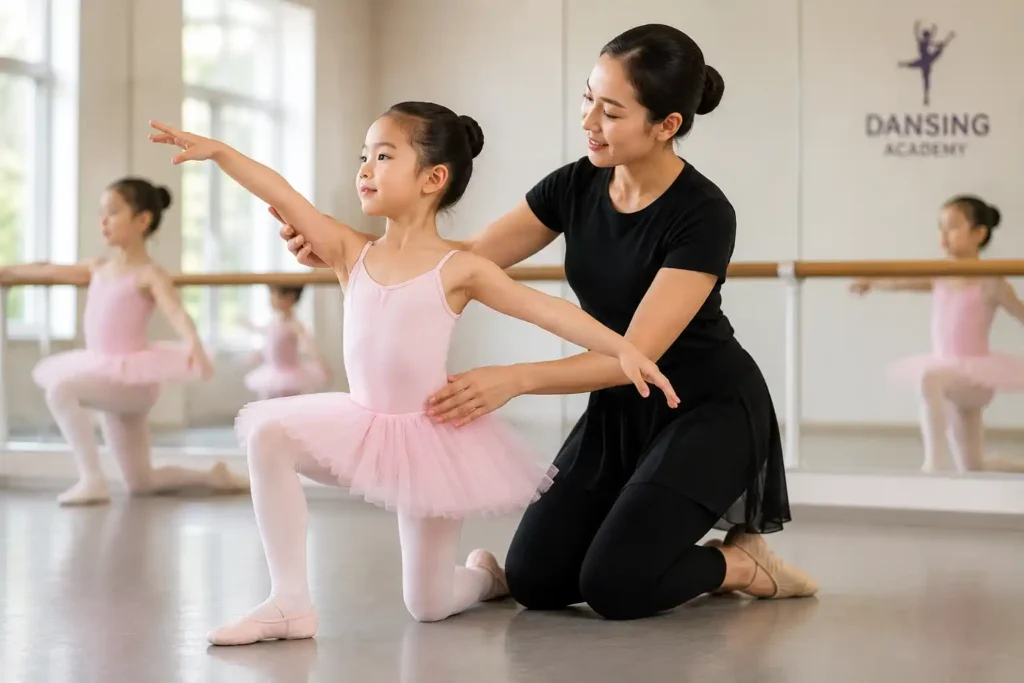
For children who enjoy following instructions, learning step by step, and improving through repetition, ballet can provide a positive and rewarding dance experience.
What Do Children Learn in Ballet Classes?
- Basic ballet positions and movements.
- Posture and body awareness.
- Balance and coordination.
- Flexibility and controlled movement.
- Musical timing and rhythm.
- Focus, discipline, and patience.
| Ballet Skill | How It May Support Your Child |
|---|---|
| Posture | Encourages body awareness and controlled movement. |
| Balance | Helps children develop stability and coordination. |
| Technique | Teaches children to learn movements step by step. |
| Musicality | Helps children connect movement with rhythm and music. |
| Practice | Encourages patience, focus, and consistent learning. |
Which Children May Enjoy Ballet?
Ballet may be a good starting point for children who:
- Enjoy structured activities and clear instructions.
- Like learning movements carefully and step by step.
- Are interested in graceful and controlled movement.
- Enjoy music and performing routines.
- Want to improve balance, posture, and coordination.
Children don’t need to be naturally flexible or experienced before starting ballet. Beginner classes are designed to introduce foundational movements gradually while helping students become more comfortable with their bodies and abilities.
If you’re exploring different programmes for your child, our Dance Classes for Kids page provides more information about dance opportunities available at DanSing Academy.
Hip Hop for Kids: Best for Energy and Self-Expression
Hip hop is an energetic dance style that combines rhythm, musicality, creativity, and expressive movement. It can be especially appealing to children who love upbeat music, enjoy moving freely, and have plenty of energy to express.
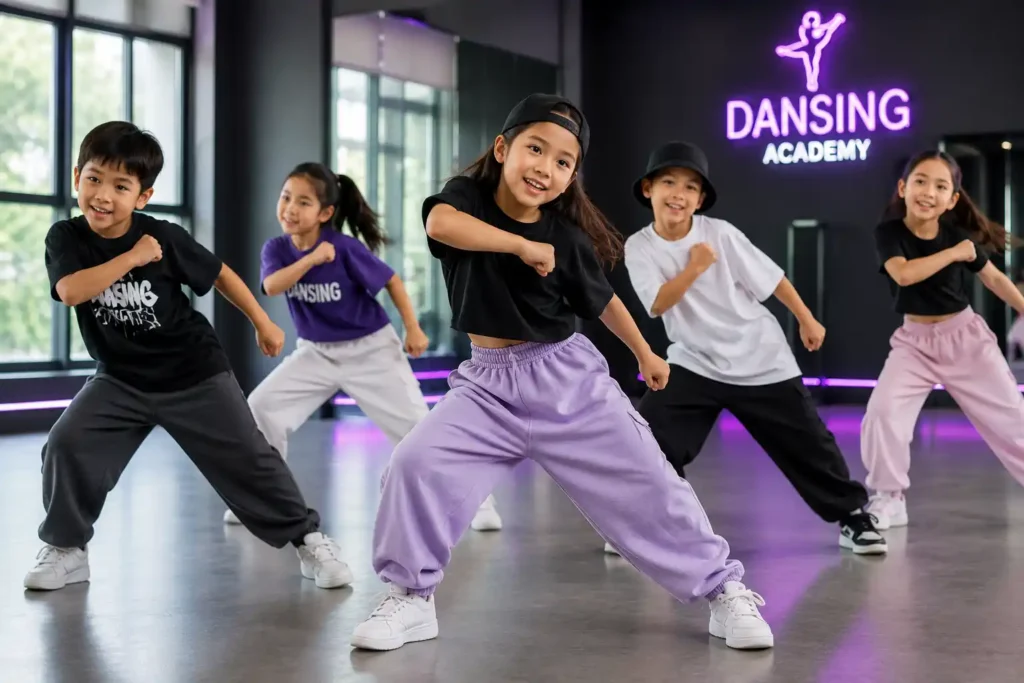
Unlike the controlled movements often associated with ballet, hip hop encourages children to explore dynamic movements and develop their own performance style while learning choreography.
What Do Children Learn in Hip Hop Classes?
- Rhythm and musical timing.
- Energetic dance combinations.
- Coordination and body control.
- Choreography and memory skills.
- Creative movement and self-expression.
- Teamwork through group routines.
| Hip Hop Skill | How It May Support Your Child |
|---|---|
| Rhythm | Develops musical awareness and timing. |
| Choreography | Supports memory and concentration. |
| Self-Expression | Encourages children to express personality through movement. |
| Group Routines | Develops teamwork and social confidence. |
| Performance | Helps children become more comfortable dancing in front of others. |
Which Children May Enjoy Hip Hop?
Hip hop may appeal to children who:
- Have lots of energy and enjoy active classes.
- Love upbeat music and rhythm.
- Enjoy expressive and dynamic movement.
- Like learning group choreography.
- Want to build confidence through performance.
For many children, the energetic nature of hip hop makes dance feel fun and accessible. As they learn routines and perform alongside classmates, they can also develop confidence, coordination, and teamwork.
Jazz Dance for Kids: Best for Performance and Creativity
Jazz dance is a lively and expressive style that combines energetic movement, musicality, technique, and stage performance. It can be a great choice for children who enjoy performing, learning dynamic routines, and expressing themselves through music and movement.
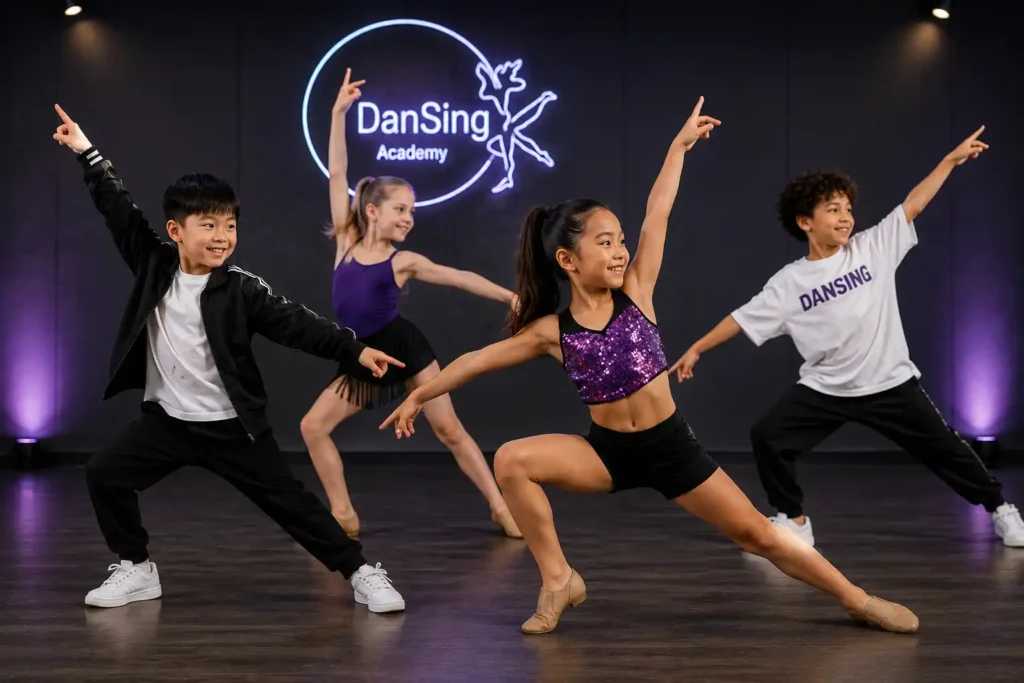
Jazz classes often introduce children to a variety of movements and choreography styles. This gives young dancers opportunities to develop coordination while becoming more confident and expressive performers.
What Do Children Learn in Jazz Dance Classes?
- Dynamic dance movements and combinations.
- Musical timing and rhythm.
- Flexibility and coordination.
- Performance skills and stage presence.
- Choreography and memory skills.
- Creative expression through movement.
| Jazz Dance Skill | How It May Support Your Child |
|---|---|
| Musicality | Helps children connect movement with different rhythms and music. |
| Choreography | Supports concentration and memory skills. |
| Performance | Encourages confidence and stronger stage presence. |
| Expression | Allows children to communicate ideas and emotions through movement. |
| Coordination | Develops body awareness and movement control. |
Which Children May Enjoy Jazz Dance?
Jazz dance may be a good fit for children who:
- Enjoy performing and being expressive.
- Love energetic music and dynamic routines.
- Like learning choreography.
- Want to improve their stage confidence.
- Enjoy combining creativity with dance technique.
Children who enjoy both structured learning and expressive performance may find jazz particularly engaging. The style allows them to develop dance skills while also exploring their personality and creativity on stage.
Regular dance participation can support more than performance skills. Read our 7 benefits of dance classes for child development to learn how dance may support coordination, social skills, confidence, and physical development.
Ballet vs Hip Hop vs Jazz: Quick Comparison
When comparing ballet vs hip hop vs jazz for kids, the biggest differences are usually the movement style, class structure, music, and performance focus. The table below provides a quick comparison for parents.
| Factor | Ballet | Hip Hop | Jazz |
|---|---|---|---|
| Movement Style | Controlled and graceful | Energetic and expressive | Dynamic and performance-focused |
| Class Structure | Highly structured | Energetic and choreography-based | Technique and choreography-based |
| Main Focus | Technique and posture | Rhythm and self-expression | Performance and musicality |
| Energy Level | Moderate and controlled | High energy | Moderate to high energy |
| May Suit | Focused and patient children | Energetic and expressive children | Creative and performance-loving children |
| Key Skills | Balance, posture, and discipline | Rhythm, coordination, and confidence | Musicality, creativity, and stage presence |
Which Dance Style Is Best for Kids?
There is no single best dance style for every child. Ballet may suit children who enjoy structure and technique, hip hop may appeal to energetic children who love rhythm, and jazz may suit creative children who enjoy expressive stage performance.
The best dance style is usually the one your child feels excited to attend and motivated to continue learning.
If your child enjoys performing but you’re unsure whether dance is the right starting point, our singing vs dancing vs acting guide for kids compares the three main performing arts disciplines.
Which Dance Style Matches Your Child’s Personality?
Your child’s personality can provide useful clues when choosing a dance style. However, personality should be treated as a guide rather than a strict rule. Children may surprise you by enjoying a style that seems completely different from their usual interests.
| If Your Child… | Dance Style to Explore |
|---|---|
| Enjoys structure and following instructions | Ballet |
| Has lots of energy and loves upbeat music | Hip Hop |
| Loves performing and expressive movement | Jazz |
| Enjoys controlled and graceful movement | Ballet |
| Likes creative freedom and rhythm | Hip Hop |
| Enjoys choreography and stage routines | Jazz |
Quick Parent Checklist
- Does my child prefer structured or expressive activities?
- What type of music naturally gets them moving?
- Do they enjoy performing in front of others?
- Are they excited by energetic or controlled movement?
- Do they enjoy learning routines step by step?
- Which dance style are they most curious to try?
Rather than choosing only based on what appears suitable, involve your child in the decision. Their interest and enjoyment can play an important role in keeping them engaged with dance classes over time.
Does Age Matter When Choosing a Dance Style?
Age can influence how dance is taught, but it doesn’t always determine which dance style your child should choose. A child’s interests, confidence, physical development, and ability to follow instructions are also important factors.
Younger children often benefit from classes that introduce movement, rhythm, and coordination through playful activities. As children grow, they may become more interested in specific dance styles and more comfortable learning detailed choreography or technique.
| Age Stage | Dance Learning Focus | What Parents Can Consider |
|---|---|---|
| Preschool Age | Creative movement, rhythm, and coordination | Choose fun, age-appropriate classes that encourage participation. |
| Early Primary Age | Basic technique, routines, and teamwork | Explore ballet, hip hop, jazz, or other beginner dance styles. |
| Older Children | Technique, choreography, and performance skills | Allow children to develop stronger preferences and personal goals. |
The most important factor is choosing an age-appropriate class where your child feels supported and enjoys participating.
For a more detailed age-based breakdown, read our parent’s guide to the best age to start performing arts classes.
Can Your Child Learn More Than One Dance Style?
Yes. Children can explore more than one dance style, and learning different forms of dance may help them develop a broader range of movement and performance skills.
For example, ballet can introduce controlled movement and technique, while hip hop focuses more on rhythm and energetic expression. Jazz can add dynamic choreography and stage performance skills.
Benefits of Exploring Different Dance Styles
- Develops a wider range of movement skills.
- Introduces children to different types of music and rhythm.
- Encourages creativity and adaptability.
- Helps children discover their preferred dance style.
- Builds confidence in learning new movements.
- Creates a more varied dance experience.
| Dance Combination | Skills Children May Explore |
|---|---|
| Ballet + Jazz | Technique, posture, musicality, and performance |
| Ballet + Hip Hop | Controlled movement, rhythm, and self-expression |
| Hip Hop + Jazz | Energy, choreography, creativity, and stage presence |
| Ballet + Hip Hop + Jazz | A varied introduction to technique, rhythm, and performance |
However, parents don’t need to enrol their child in several classes immediately. Starting with one dance style can give children time to settle into a routine and understand whether they genuinely enjoy the class.
As their interest grows, they can explore additional dance styles at a pace that works for their schedule and energy levels.
How to Choose the Right Dance Class in Singapore
Choosing the right dance style is only part of the decision. The teaching environment, class structure, and instructor can also influence how much your child enjoys their dance experience.
A good children’s dance class should provide age-appropriate instruction while creating a positive environment where students feel comfortable learning, making mistakes, and developing their skills.
What Parents Should Look For
- Experienced instructors who enjoy teaching children.
- Age-appropriate dance activities and choreography.
- A positive and encouraging class environment.
- Clear communication with parents.
- Opportunities for children to build confidence gradually.
- A class structure that balances learning and enjoyment.
If you’re comparing different academies, our guide to choosing a performing arts school in Singapore explains the key factors parents should consider before enrolling.
Should Your Child Attend a Trial Class?
A trial class can be one of the easiest ways to understand whether a dance style and teaching environment suit your child. It allows them to experience the class rather than choosing based only on descriptions or assumptions.
During the class, notice whether your child feels engaged, responds positively to the instructor, and shows interest in the activities.
Our first performing arts class guide for parents explains what you and your child can expect when attending a trial lesson.
Ready to Help Your Child Discover Dance?
Ballet, hip hop, and jazz each offer children a different way to explore movement, music, creativity, and performance. The right starting point depends on what your child enjoys and the type of learning environment that helps them feel confident.
At DanSing Academy, children can explore performing arts in a supportive environment designed to encourage creativity, confidence, and personal development.
Explore our Dance Classes for Kids and discover a programme that matches your child’s interests and enthusiasm for movement.
Frequently Asked Questions
Ballet, hip hop, and jazz can all be suitable for beginners when taught in an age-appropriate class. The best choice usually depends on your child’s interests and personality.
Neither style is automatically better. Ballet focuses more on technique and controlled movement, while hip hop emphasises rhythm, energy, and self-expression.
Jazz can be a good option for children who enjoy energetic choreography, music, creativity, and stage performance.
Yes. Children can explore multiple dance styles if the class schedule and activity level are suitable for their age and individual needs.
Energetic children may enjoy hip hop or jazz because both styles often include dynamic movement and lively choreography. However, a trial class is the best way to understand their preference.
Look for signs such as talking positively about the lesson, practising movements at home, asking about the next class, and showing enthusiasm about returning.
Final Thoughts
When comparing ballet vs hip hop vs jazz for kids, there is no universal winner. Ballet offers structure and technique, hip hop encourages rhythm and self-expression, and jazz combines dynamic movement with creativity and performance.
The best dance style is the one that keeps your child interested, comfortable, and excited to learn. Their first choice doesn’t need to be permanent, and exploring different styles can be part of their dance journey.
By listening to your child’s interests and choosing a supportive, age-appropriate class, you can help them enjoy dance while developing confidence, coordination, creativity, and valuable social skills.