Choosing the right age to introduce your child to performing arts can feel overwhelming. Many parents wonder whether their child is too young, too old, or simply not ready yet. The truth is that the best age to start performing arts classes depends on your child’s interests, confidence level, and developmental stage.
Whether your child is interested in dance, singing, acting, or musical theatre, performing arts classes can help them develop creativity, communication skills, confidence, discipline, and self-expression from an early age.
In this guide, we’ll explore the best age to start performing arts classes, what children can learn at different stages, and how parents in Singapore can choose the right program for their child’s growth and development.
Why Parents Ask About the Best Age to Start Performing Arts Classes
Many parents want to give their children opportunities that support both personal growth and skill development. However, they often ask questions such as:
- What is the best age to start performing arts classes?
- Can my child start performing arts at 3 years old?
- Is my child too old to begin dance or acting lessons?
- Should my child learn singing, dancing, or acting first?
- How can I tell if my child is ready?
These are valid concerns. Every child develops differently, and there is no single age that works for everyone. Some children naturally enjoy movement and music from a young age, while others become interested in performing arts later during their school years.
The good news is that performing arts can benefit children at almost any age. The key is finding a program that matches their developmental stage and learning style.
Is There a Perfect Age to Start Performing Arts?
There is no universal “perfect age” to start performing arts classes. Instead, many children can begin age-appropriate performing arts activities from as early as 3 years old.
At younger ages, classes usually focus on creativity, movement, rhythm, imagination, and social interaction rather than technical performance skills. As children grow older, they can gradually develop more advanced abilities in dance, singing, acting, and musical theatre.
The most important factor is not age alone. A child’s willingness to participate, follow simple instructions, and enjoy group activities often matters more than their exact age.
Parents should view performing arts as a journey rather than a competition. Starting early can provide valuable developmental benefits, but children can successfully begin performing arts at many different stages of life.
Best Age to Start Performing Arts Classes in Singapore: A Parent’s Complete Guide
Choosing the right age to introduce your child to performing arts can feel overwhelming. Many parents wonder whether their child is too young, too old, or simply not ready yet. The truth is that the best age to start performing arts classes depends on your child’s interests, confidence level, and developmental stage.
Whether your child is interested in dance, singing, acting, or musical theatre, performing arts classes can help them develop creativity, communication skills, confidence, discipline, and self-expression from an early age.
In this guide, we’ll explore the best age to start performing arts classes, what children can learn at different stages, and how parents in Singapore can choose the right program for their child’s growth and development.
Why Parents Ask About the Best Age to Start Performing Arts Classes
Many parents want to give their children opportunities that support both personal growth and skill development. However, they often ask questions such as:
- What is the best age to start performing arts classes?
- Can my child start performing arts at 3 years old?
- Is my child too old to begin dance or acting lessons?
- Should my child learn singing, dancing, or acting first?
- How can I tell if my child is ready?
These are valid concerns. Every child develops differently, and there is no single age that works for everyone. Some children naturally enjoy movement and music from a young age, while others become interested in performing arts later during their school years.
The good news is that performing arts can benefit children at almost any age. The key is finding a program that matches their developmental stage and learning style.
Is There a Perfect Age to Start Performing Arts?
There is no universal “perfect age” to start performing arts classes. Instead, many children can begin age-appropriate performing arts activities from as early as 3 years old.
At younger ages, classes usually focus on creativity, movement, rhythm, imagination, and social interaction rather than technical performance skills. As children grow older, they can gradually develop more advanced abilities in dance, singing, acting, and musical theatre.
The most important factor is not age alone. A child’s willingness to participate, follow simple instructions, and enjoy group activities often matters more than their exact age.
Parents should view performing arts as a journey rather than a competition. Starting early can provide valuable developmental benefits, but children can successfully begin performing arts at many different stages of life.
Ages 3 to 5: Building Confidence Through Creative Movement
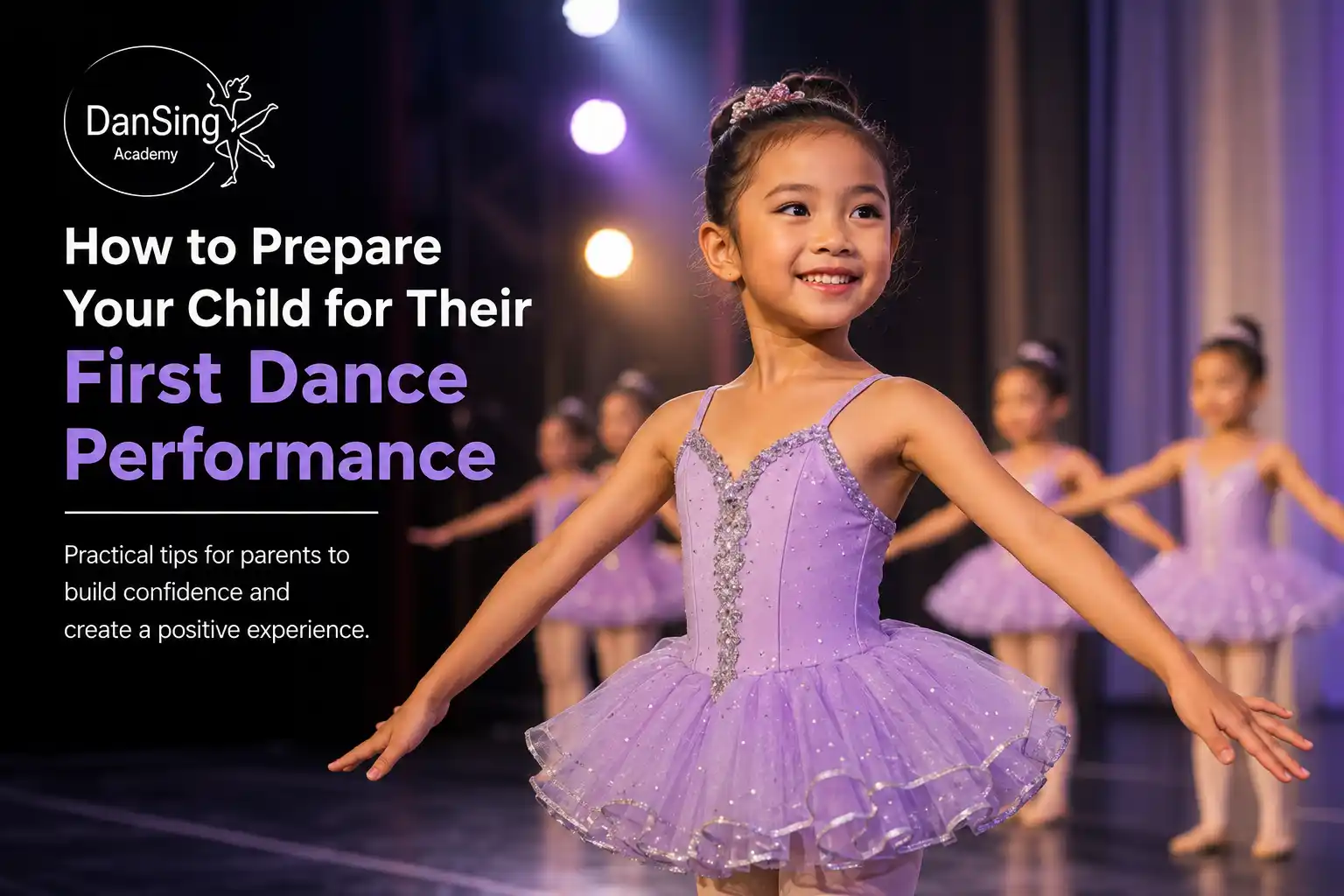
For children aged 3 to 5, performing arts classes should be playful, simple, and confidence-building. At this stage, the goal is not perfect technique. The goal is to help children enjoy movement, music, rhythm, imagination, and group participation.
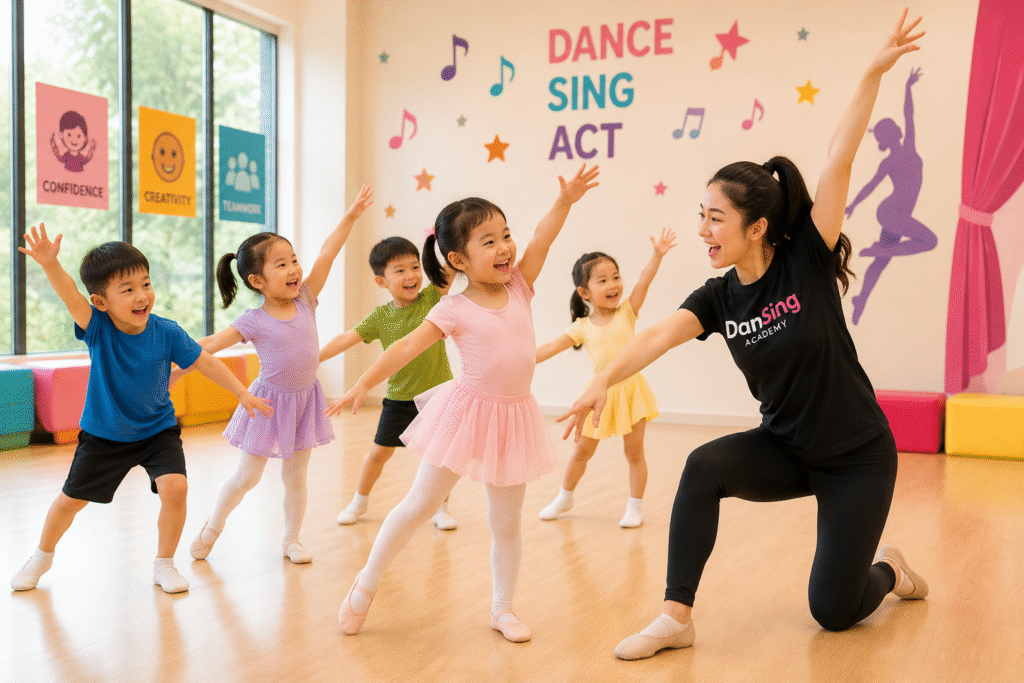
This can be a good age to start performing arts classes because young children are naturally curious. They often respond well to songs, actions, role play, storytelling, and basic dance movements.
In this age group, children may learn how to:
- Follow simple instructions
- Move confidently in a group
- Listen to music and rhythm
- Use imagination through role play
- Build early social skills
- Develop body awareness and coordination
Parents should look for beginner-friendly classes that are age-appropriate, fun, and supportive. A strong preschool performing arts program should help children feel safe, included, and excited to participate.
If your child enjoys music, movement, or pretending to perform at home, this may be a good sign that they are ready to try a beginner performing arts class.
Ages 6 to 8: Developing Basic Performing Arts Skills
Between the ages of 6 and 8, children usually become more comfortable following instructions, working with classmates, and learning structured routines. This is often one of the best age ranges to start performing arts classes because children are ready for both creativity and basic skill development.
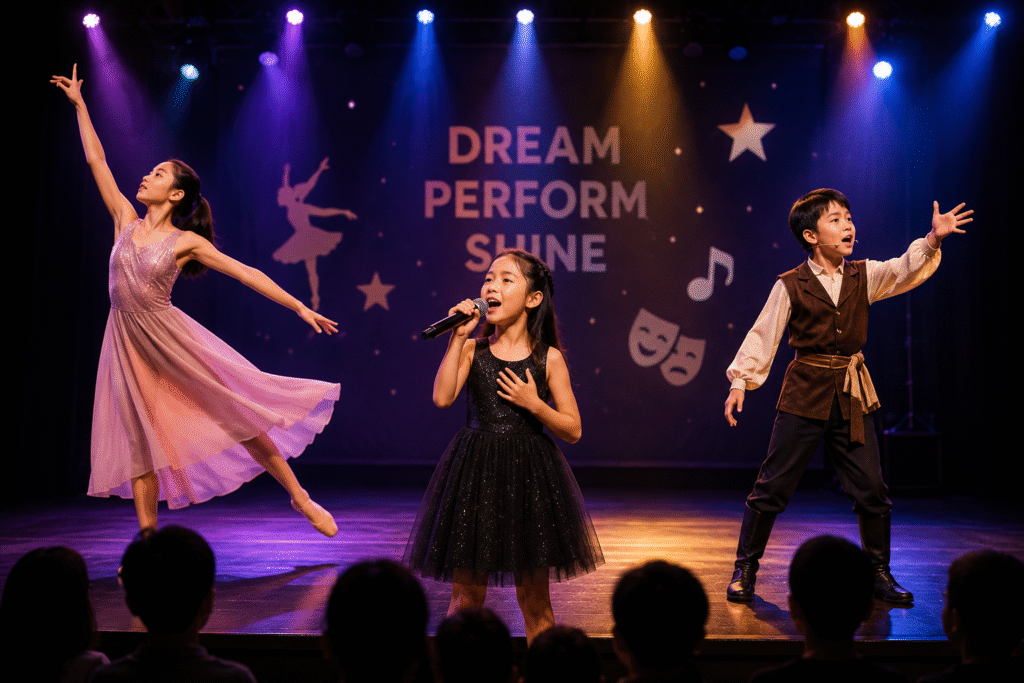
At this stage, children can begin learning simple techniques in dance, singing, acting, or musical theatre. They may also start to understand practice, discipline, teamwork, and performance preparation.
Children aged 6 to 8 may benefit from:
- Beginner dance routines
- Basic vocal exercises
- Simple acting games
- Storytelling activities
- Confidence-building group exercises
- Short performance opportunities
This is also a good time for parents to observe what their child enjoys most. Some children may naturally enjoy dance and movement, while others may prefer singing, acting, or musical theatre.
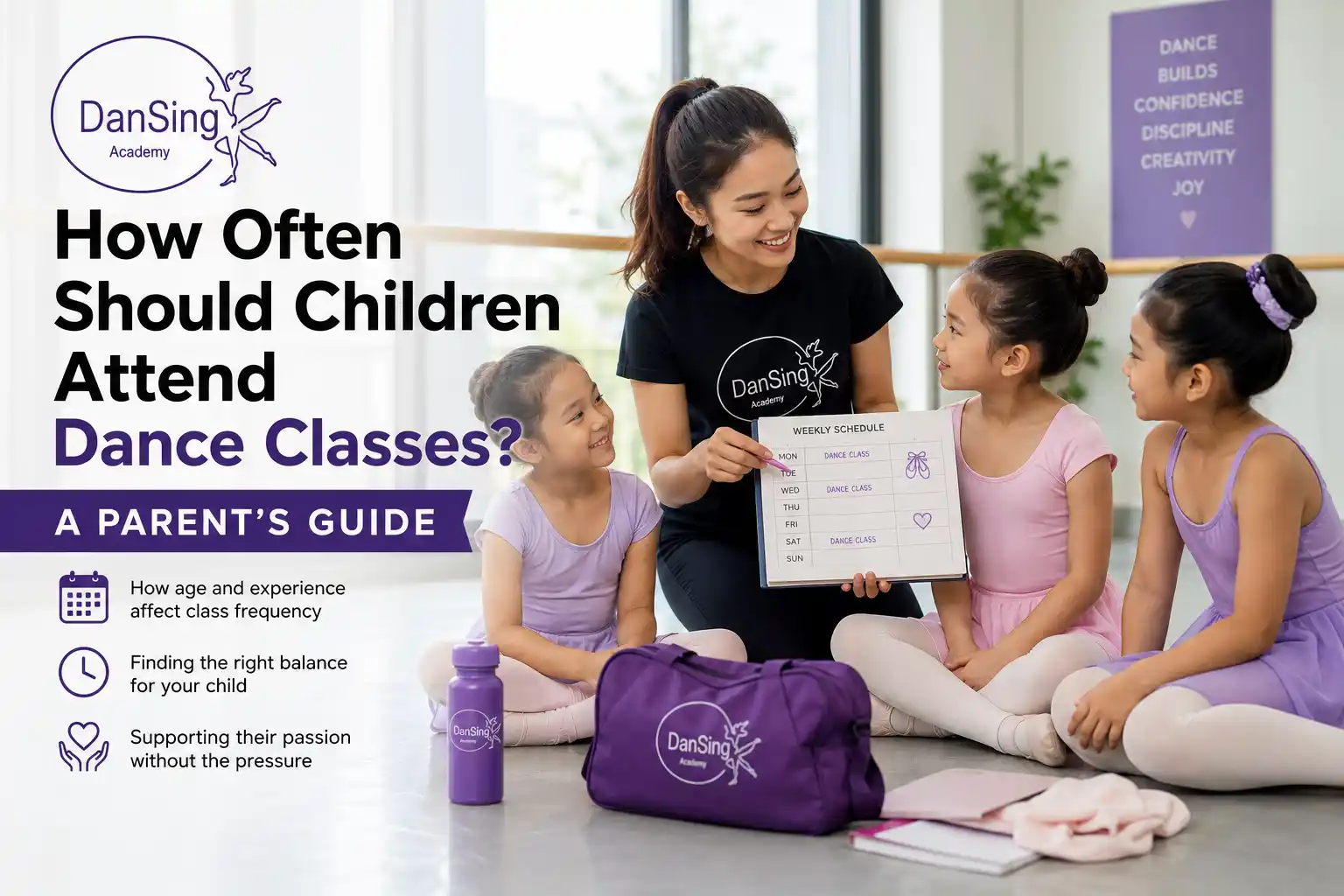
If you are unsure where to begin, a trial class can help your child experience the environment before committing to a full program.
Ages 9 to 12: Exploring Dance, Singing, and Acting More Seriously
Children between the ages of 9 and 12 are often ready to explore performing arts in greater depth. At this stage, they typically have stronger concentration skills, improved coordination, and a better understanding of teamwork and personal responsibility.
If your child is starting performing arts for the first time, don’t worry. Many students begin during these years and make excellent progress. In fact, this can still be an ideal age to start performing arts classes because children are often mature enough to understand techniques while still enjoying creative learning.
During this age range, students may begin to:
- Learn more advanced dance techniques
- Develop vocal control and performance skills
- Build stage presence and confidence
- Memorise choreography and scripts
- Participate in performances and showcases
- Work independently and as part of a team
Many children also begin discovering their personal interests during this stage. Some may enjoy the physical expression of dance, while others may feel more connected to singing, acting, or musical theatre.
The most important thing is allowing your child to explore different forms of performing arts and discover what they genuinely enjoy.
Teenagers: Is It Too Late to Start Performing Arts?
One of the most common misconceptions is that teenagers are too old to begin performing arts training. The reality is that it is never too late to start.
Many teenagers join performing arts classes with little or no previous experience. While they may progress differently from students who started earlier, they can still develop valuable skills and enjoy the many benefits that performing arts offer.
Teenagers often benefit from performing arts because classes can help them:
- Build confidence and self-esteem
- Improve communication skills
- Develop public speaking abilities
- Reduce social anxiety
- Express creativity
- Make new friends with similar interests
At this age, students are often motivated by personal goals rather than simply following activities chosen by parents. This can lead to strong commitment and meaningful progress.
Whether a teenager wants to pursue performing arts seriously or simply develop new skills, starting later can still be an incredibly rewarding experience.
Signs Your Child Is Ready for Performing Arts Classes
Rather than focusing only on age, parents should look for signs that their child is ready to participate in a performing arts environment.
Your child may be ready if they:
- Enjoy music, movement, or storytelling
- Like performing for family members
- Can follow simple instructions
- Participate comfortably in group activities
- Show curiosity and enthusiasm for creative activities
- Express an interest in dance, singing, or acting
Remember that children do not need to be naturally talented to start performing arts classes. Enthusiasm, curiosity, and a willingness to learn are often more important than experience.
A supportive learning environment can help children develop skills and confidence over time, regardless of their starting point.
Dance, Singing, or Acting: What Should Your Child Start With?
Many parents ask whether their child should begin with dance, singing, or acting. The answer depends on your child’s personality, interests, and learning style.
There is no single path that works for every child. Some children naturally enjoy movement and physical activity, while others prefer storytelling, speaking, or music.
Dance Classes
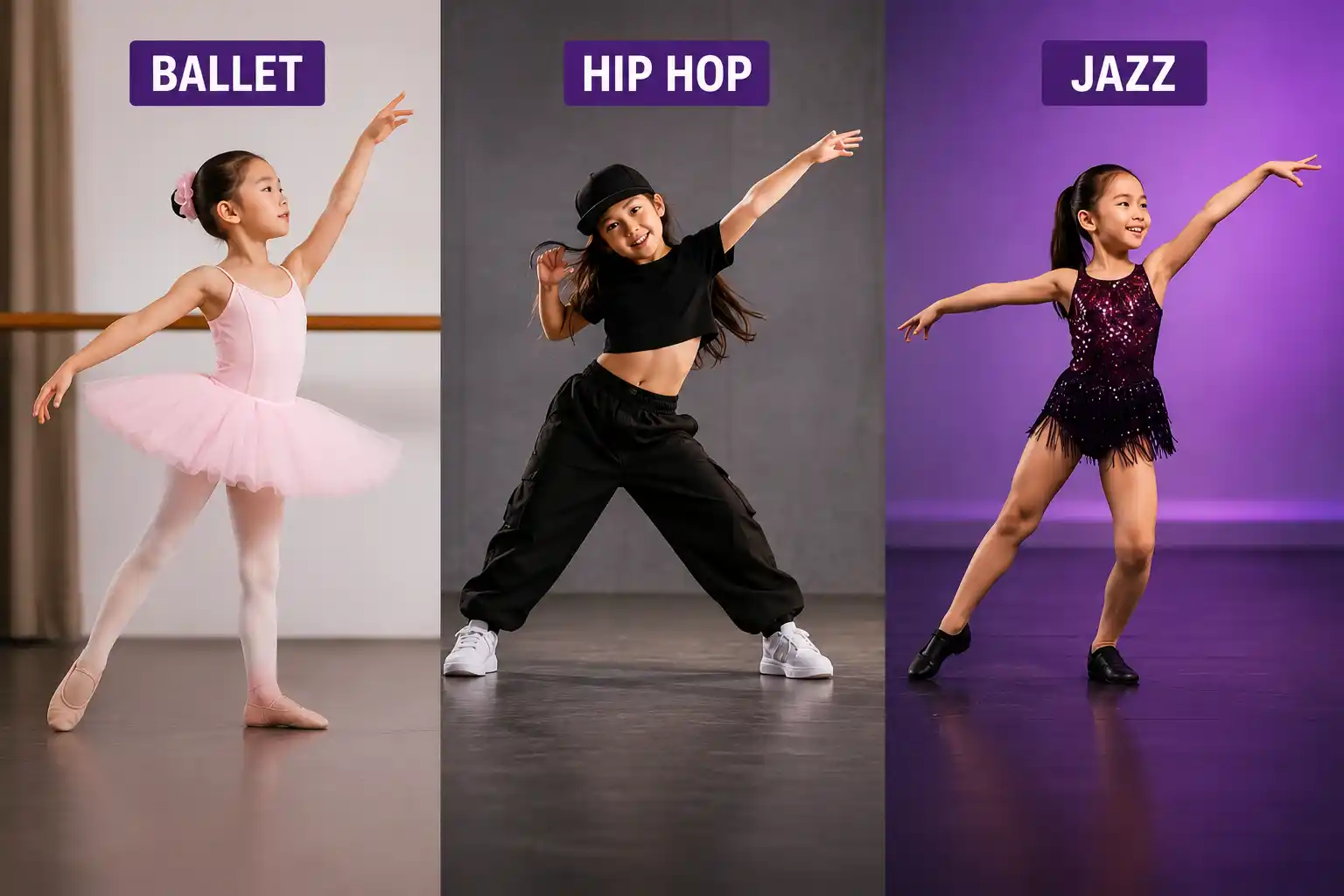
Dance classes are often a great choice for energetic children who enjoy movement, rhythm, and physical expression. Dance can help improve coordination, balance, flexibility, discipline, and confidence.
Children who enjoy being active may thrive in a dance-based performing arts program.
Singing Classes
Singing classes are ideal for children who enjoy music, melodies, and expressing themselves through their voice. Singing can help develop listening skills, breath control, confidence, and stage presence.
Children who enjoy singing at home or participating in school performances may benefit from vocal training.
Acting Classes
Acting classes encourage creativity, imagination, communication, and self-expression. Through role play and storytelling, children learn how to express emotions, build confidence, and improve public speaking skills.
Acting can be especially beneficial for children who enjoy storytelling or creating characters.
Musical Theatre
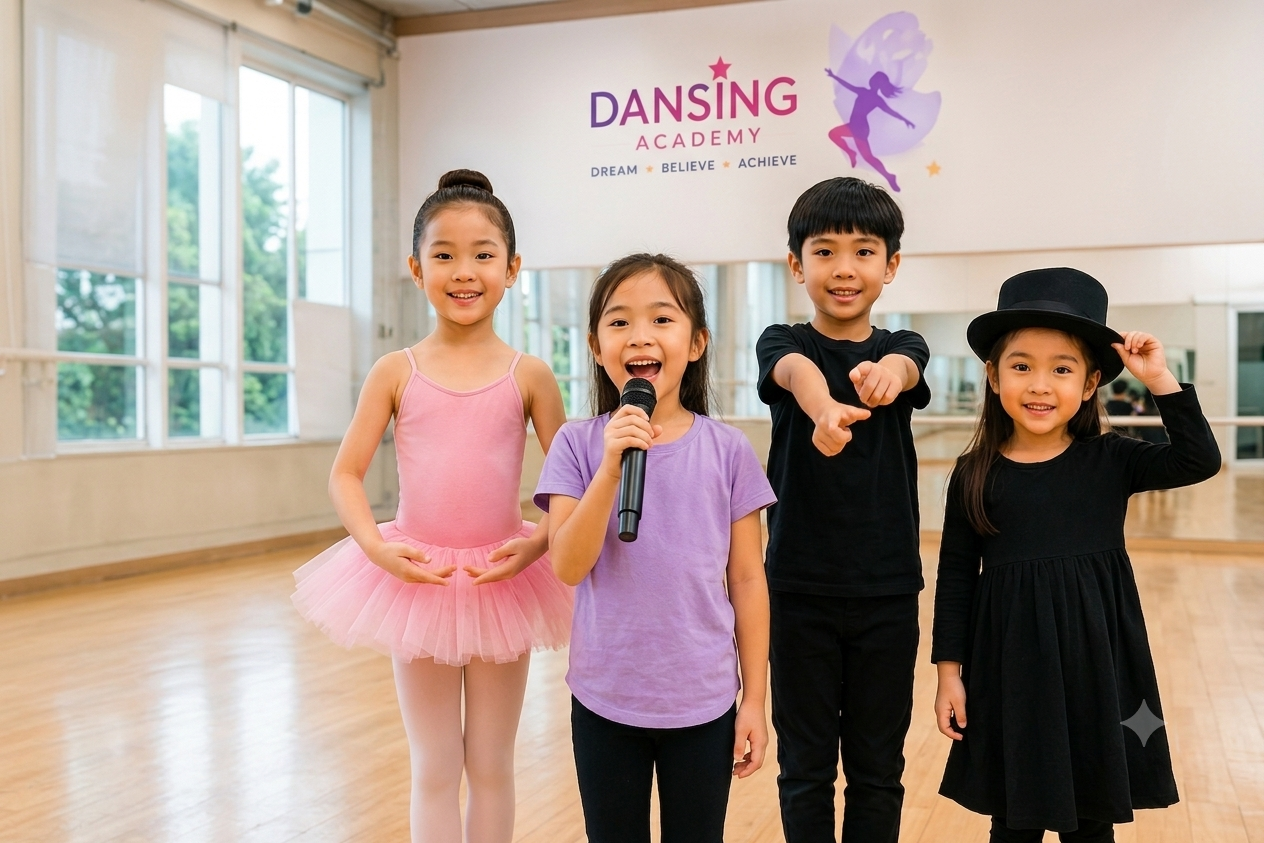
Musical theatre combines dance, singing, and acting into one well-rounded performing arts experience. It can be an excellent option for children who want to explore multiple disciplines before deciding which area they enjoy most.
If your child is unsure which path to choose, a trial class can help them experience different activities and discover what excites them most.
Benefits of Starting Performing Arts at an Early Age
While children can begin performing arts at many different stages, starting early can offer several developmental advantages.
Performing arts programs help children develop skills that extend far beyond the stage.
- Confidence and self-esteem
- Communication skills
- Creativity and imagination
- Social and teamwork skills
- Discipline and focus
- Coordination and body awareness
- Emotional expression
- Problem-solving abilities
These skills can support children both inside and outside the classroom, helping them become more confident and well-rounded individuals.
Most importantly, performing arts provide a safe and enjoyable environment where children can express themselves, make friends, and build lifelong memories.
How to Choose the Right Performing Arts Program in Singapore
Finding the right performing arts program is just as important as choosing the right age to begin. A positive learning environment can make a significant difference in your child’s experience and development.
When evaluating a performing arts school, consider the following factors:
- Age-appropriate curriculum
- Qualified and experienced instructors
- Supportive and encouraging environment
- Opportunities for performances and showcases
- Class sizes and student attention
- Availability of trial classes
- Range of programs offered
A good performing arts program should focus on helping children build confidence, develop skills, and enjoy the learning process rather than placing unnecessary pressure on performance outcomes.
Parents should also consider attending a trial class to observe how instructors interact with students and whether the program aligns with their child’s personality and interests.
Frequently Asked Questions
Many children can begin age-appropriate performing arts classes from around 3 years old. However, the best age to start performing arts classes depends on a child’s interests, confidence level, and readiness to participate in group activities.
Yes. Many performing arts programs offer classes designed specifically for preschool-aged children. These classes typically focus on creative movement, music, imagination, and social interaction rather than technical performance skills.
Not at all. Many children begin dance, singing, or acting classes at 10 years old and continue to make excellent progress. Performing arts can be beneficial at almost any age when children are motivated and supported.
The best starting point depends on your child’s interests. Active children often enjoy dance, music-loving children may prefer singing, and creative storytellers may be drawn to acting. Musical theatre can also provide a combination of all three disciplines.
Children are often ready if they enjoy music, movement, storytelling, role play, or performing for family and friends. A willingness to participate and try new activities is usually more important than previous experience.
Yes. Performing arts classes can help shy children gradually build confidence, communication skills, and self-expression in a supportive and encouraging environment.
Final Thoughts
There is no single answer to the question of the best age to start performing arts classes. Every child develops differently, and the right time often depends on their personality, interests, and readiness to participate.
Whether your child begins at 3, 6, 10, or even during their teenage years, performing arts can provide valuable opportunities for growth, creativity, confidence, and self-expression.
The most important thing is choosing a program that is age-appropriate, supportive, and enjoyable. When children feel encouraged to explore their talents in a positive environment, they can develop skills that benefit them both on and off the stage.
If you’re considering performing arts classes for your child, a trial class can be a great way to experience the learning environment and discover which discipline best matches their interests and goals.
Ready to help your child explore the world of performing arts? Contact DanSing Academy today to learn more about our dance, singing, acting, and musical theatre programs for children in Singapore.