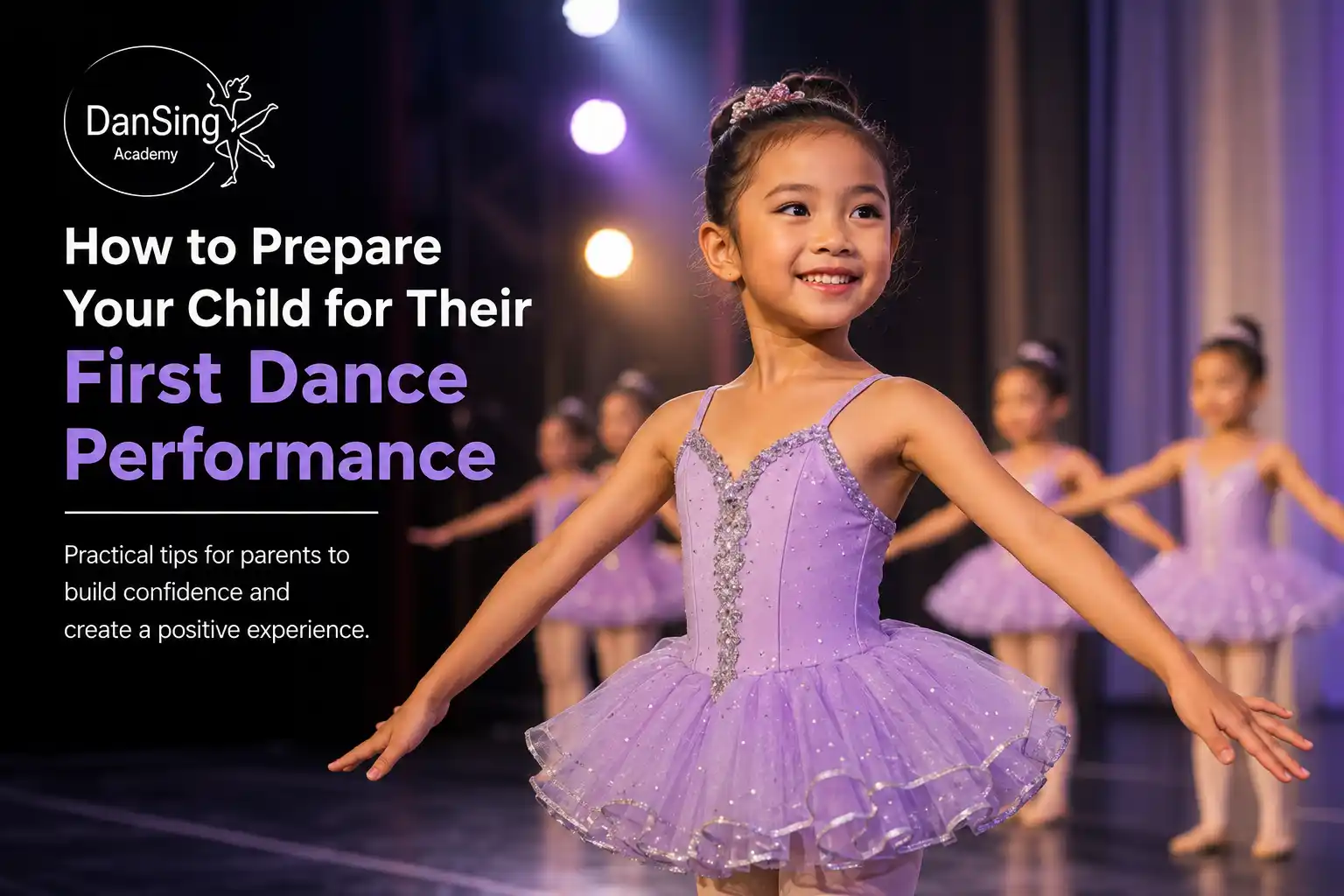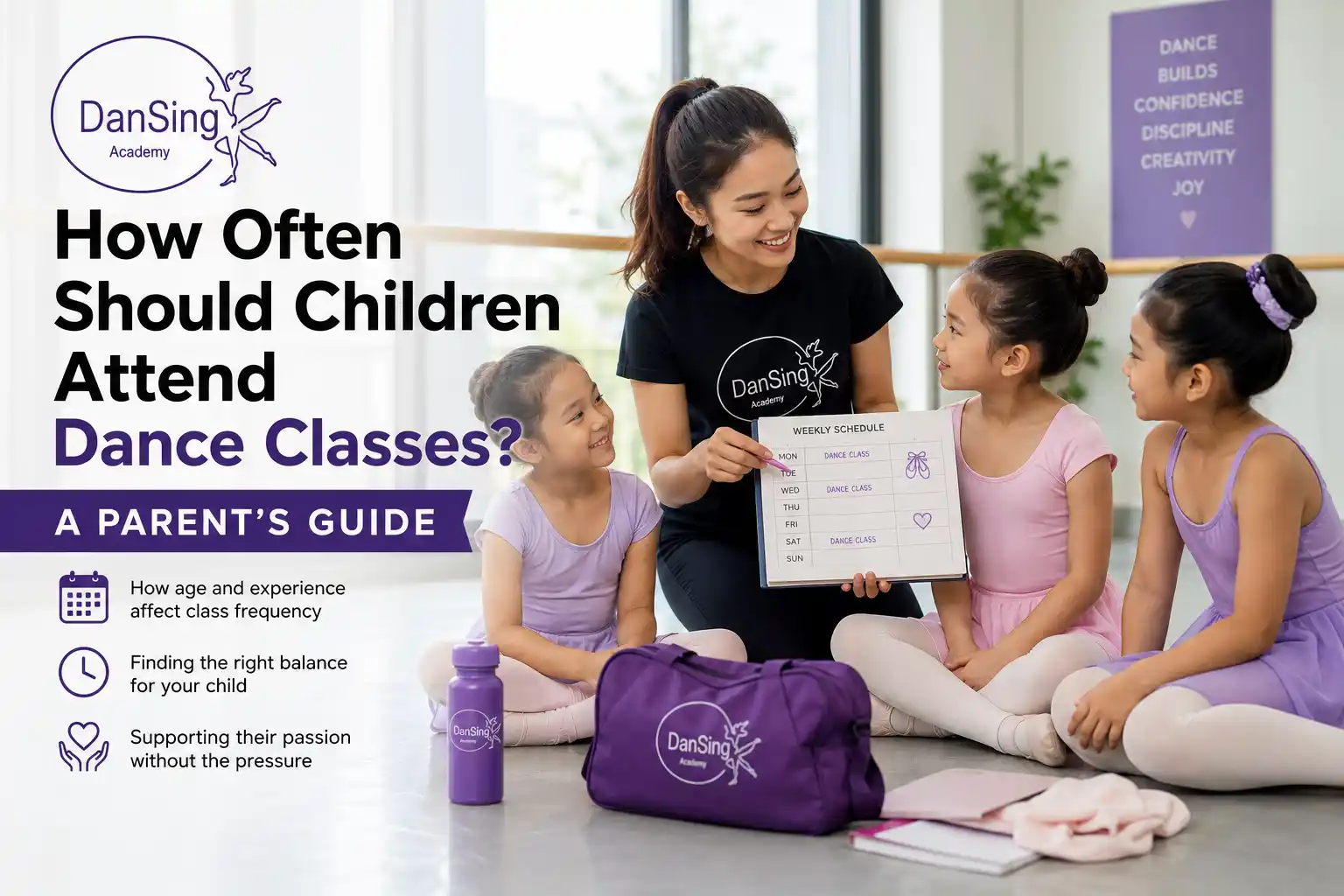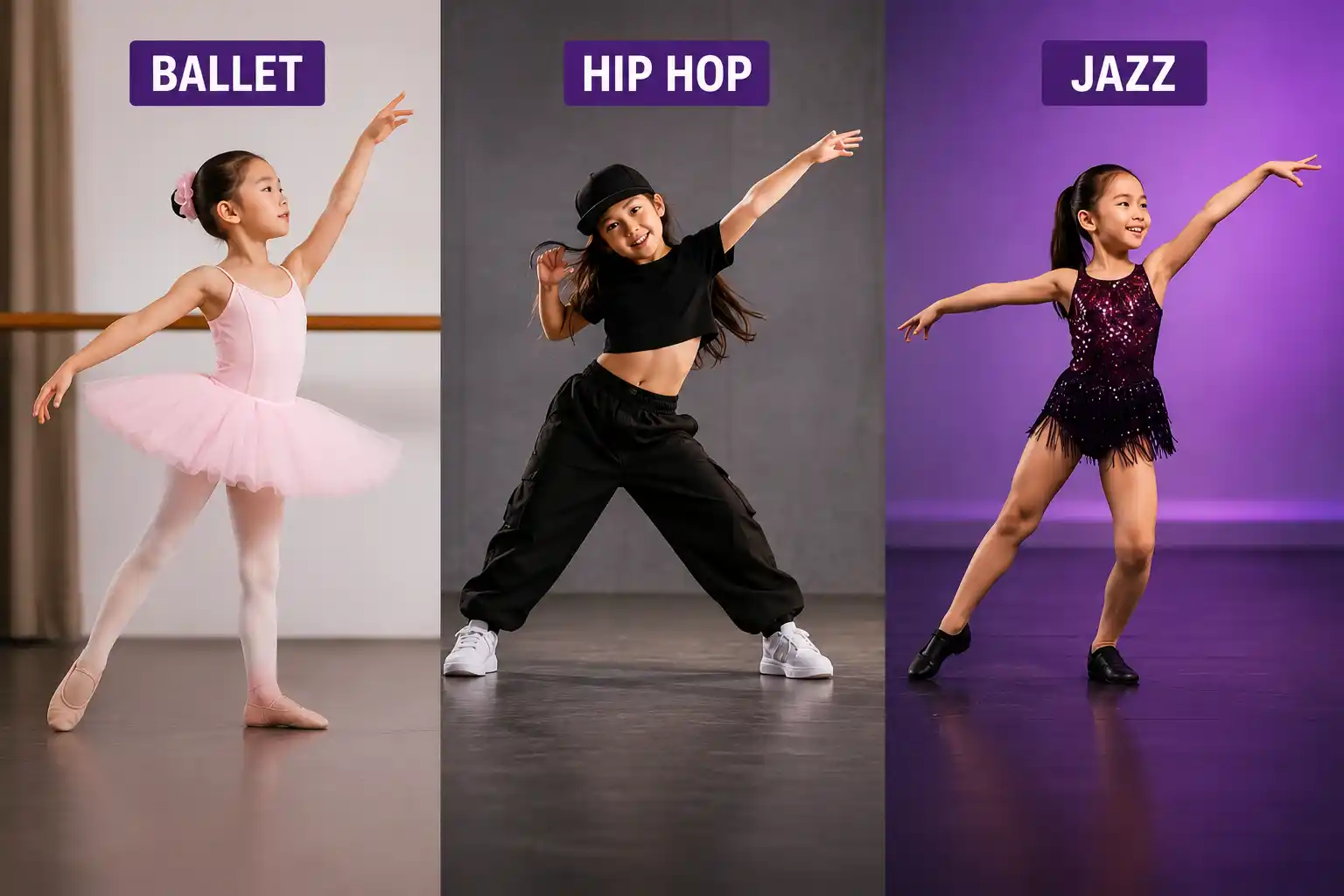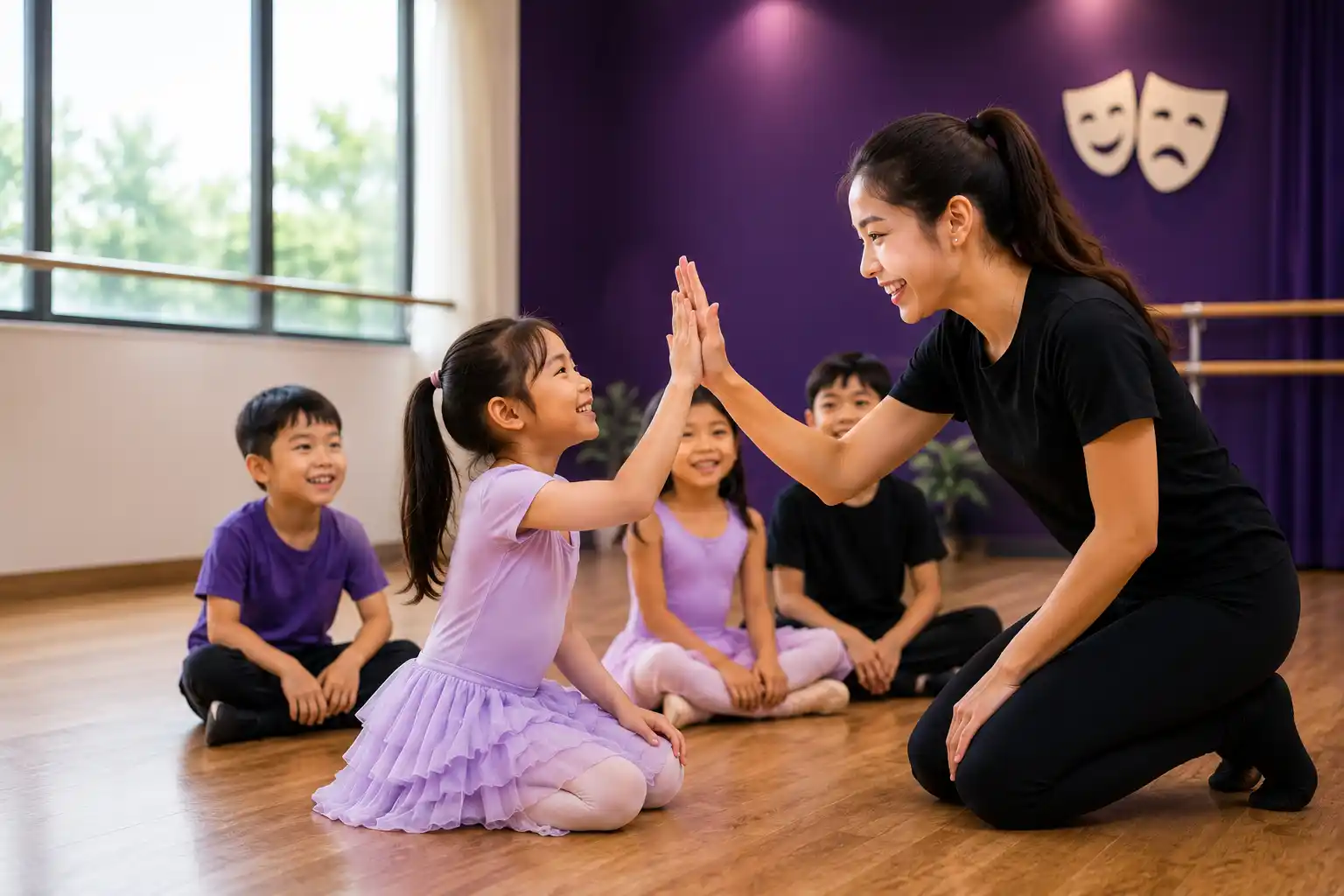
Starting a new activity is an exciting milestone for both children and parents. Whether your child is interested in dancing, singing, or acting, it’s completely normal to have questions before attending their first performing arts class. Many parents wonder what happens during a lesson, what their child should wear, or whether they’ll feel comfortable in a new environment.
The good news is that a child’s first performing arts class is designed to be fun, welcoming, and pressure-free. Experienced instructors understand that every child is different, so trial classes focus on helping children feel relaxed, make new friends, and enjoy learning through creative activities.
Rather than expecting perfection, the goal of a trial class is to introduce children to performing arts while allowing parents to see how they interact with teachers, participate in activities, and respond to the learning environment.
If you’re still deciding which performing arts discipline would suit your child best, read our guide comparing singing, dancing, and acting classes. It explains the unique benefits of each programme and can help you choose the right starting point.
In this guide, we’ll walk you through everything you can expect during your child’s first performing arts class, how to prepare, and what signs to look for to know whether they’ve found the right programme.
Why the First Performing Arts Class Is So Important
A child’s first experience often shapes how they feel about learning something new. A positive first class can build excitement, confidence, and curiosity, making them eager to return for future lessons.
During a trial class, children are introduced to basic activities in a relaxed and encouraging environment. Instead of focusing on perfect technique, instructors help children feel comfortable participating, exploring their creativity, and interacting with other students.
Parents also benefit from attending a trial class. It gives you the opportunity to observe the teaching style, classroom environment, and how instructors support children with different personalities and confidence levels.
- Helps children become familiar with a new environment.
- Introduces basic dance, singing, or acting activities.
- Allows children to meet teachers and classmates.
- Builds confidence through fun and engaging exercises.
- Helps parents decide whether the programme is the right fit.
- Creates a positive first impression of performing arts.
If you’re wondering whether your child is ready to begin, our guide on the best age to start performing arts classes explains what parents can expect at different ages.
What Happens During a Typical Trial Class?
Every performing arts academy has its own teaching style, but most trial classes follow a similar structure. The aim is to help children feel welcome, introduce them to basic activities, and ensure they have fun while learning.
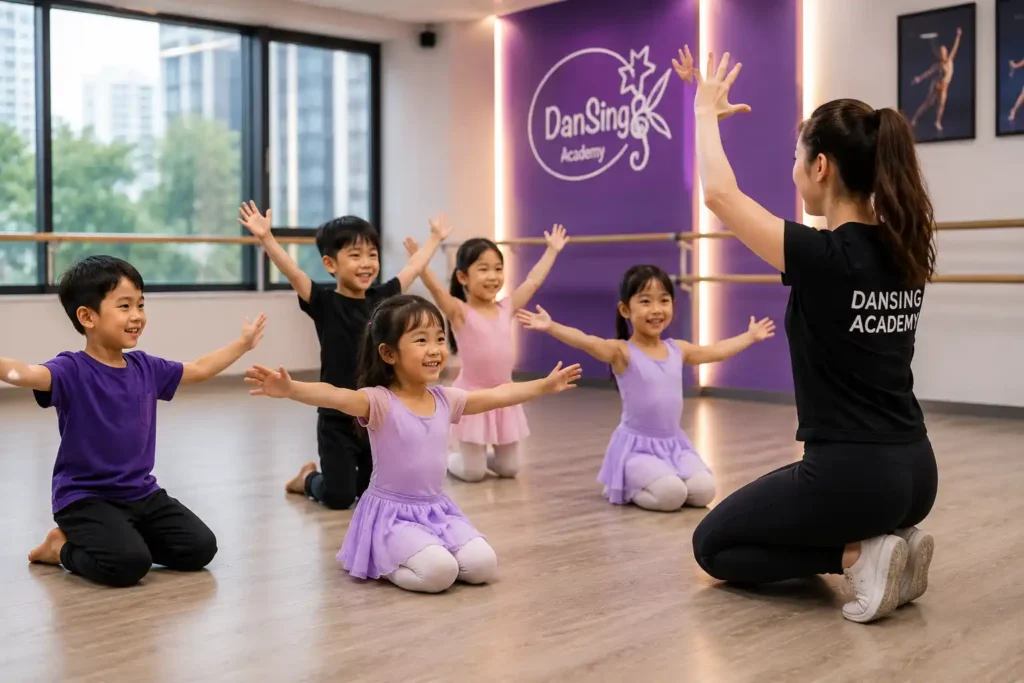
Children are never expected to perform perfectly during their first class. Instead, instructors focus on creating a positive experience where students feel comfortable participating at their own pace.
| Class Stage | What Your Child Will Experience |
|---|---|
| Welcome & Introduction | Meet the teacher, classmates, and become familiar with the studio. |
| Warm-Up Activities | Simple games and movement exercises to help children relax. |
| Main Lesson | Age-appropriate dance, singing, or acting activities led by the instructor. |
| Group Activities | Fun teamwork exercises that encourage communication and confidence. |
| Wrap-Up & Feedback | Children celebrate their achievements while parents can speak with the instructor. |
What Your Child Will Learn During Their First Class
- How to follow simple instructions.
- Basic performing arts movements or exercises.
- How to work with other children.
- Confidence through participation.
- Creative expression through fun activities.
- Respect for teachers and classmates.
Every activity is designed to help children feel included. Teachers understand that some children are naturally outgoing while others need a little more time to settle into a new environment.
The first class is about building confidence—not testing ability. Children are encouraged to participate, explore, and enjoy themselves without worrying about getting everything right.
What Should Your Child Wear to Their First Class?
One of the most common questions parents ask is what their child should wear to a trial performing arts class. The answer is simple: comfortable clothing that allows them to move freely and safely.
Your child doesn’t need expensive costumes or professional dancewear for their first lesson. Comfortable clothing and a positive attitude are usually all that’s required.
Recommended Clothing Checklist
- ✔ Comfortable T-shirt or sports top.
- ✔ Leggings, shorts, or tracksuit bottoms.
- ✔ Hair tied back if it’s long.
- ✔ Water bottle.
- ✔ Comfortable footwear (or bare feet if instructed).
- ✔ Small towel if needed.
| Class Type | Recommended Clothing |
|---|---|
| Dance | Comfortable activewear with suitable dance shoes or bare feet if advised. |
| Singing | Comfortable everyday clothing that allows easy movement. |
| Drama & Acting | Loose-fitting clothes suitable for movement and role-play activities. |
It’s always a good idea to check with the academy before attending, as some classes may have specific clothing recommendations based on the programme.
What Should Parents Bring to a Trial Class?
Preparing for your child’s first class is simple. Most academies only require a few essentials, allowing children to focus on enjoying their new experience.
Parent Checklist
- Registration details if required.
- Water bottle for your child.
- Comfortable change of clothes if necessary.
- A small snack for after class.
- Your child’s enthusiasm and encouragement.
Many parents also use the trial class as an opportunity to observe how instructors interact with students, ask questions about the programme, and learn about future class options.
If you’re comparing different academies, our guide to choosing a performing arts school in Singapore explains the key factors to consider before enrolling.
How Teachers Help Shy Children Feel Comfortable
It’s completely normal for some children to feel nervous before their first performing arts class. Meeting new teachers, entering a new environment, and participating in unfamiliar activities can feel overwhelming at first. Experienced instructors understand this and know how to help every child settle in at their own pace.
Rather than placing children under pressure, teachers focus on building trust, creating a welcoming atmosphere, and encouraging participation through fun, age-appropriate activities.
Ways Teachers Support New Students
- Welcoming every child with a friendly introduction.
- Using fun icebreaker games to help children relax.
- Allowing children to observe before joining activities.
- Providing positive encouragement instead of criticism.
- Pairing new students with supportive classmates.
- Celebrating small achievements throughout the lesson.
| Situation | How Teachers Respond |
|---|---|
| Child feels shy | Provides gentle encouragement without pressure. |
| Child is nervous | Introduces simple activities to build confidence. |
| Child doesn’t want to participate immediately | Allows time to observe before joining in. |
| Child lacks confidence | Praises effort and celebrates every achievement. |
Many parents are surprised to see how quickly their children become comfortable once they’re engaged in enjoyable activities with supportive teachers and classmates.
If you’re interested in how performing arts helps children become more confident over time, read our guide on how performing arts builds confidence and public speaking skills in kids.
What Skills Will Your Child Experience During Their First Class?
A trial class isn’t just about learning dance steps, singing techniques, or acting exercises. It’s also an opportunity for children to develop valuable life skills that support their growth both inside and outside the classroom.
| Dance | Singing | Drama & Acting |
|---|---|---|
| Coordination | Vocal Confidence | Communication Skills |
| Balance | Breath Control | Public Speaking |
| Teamwork | Listening Skills | Creativity |
| Confidence | Stage Presence | Self-Expression |
| Physical Fitness | Memory | Imagination |
Skills Children Commonly Develop
- Greater self-confidence.
- Improved communication skills.
- Creative thinking and imagination.
- Better teamwork and cooperation.
- Listening and concentration.
- Problem-solving through creative activities.
- Respect for teachers and classmates.
- A positive attitude towards learning.
These skills continue developing with regular participation and often transfer into school, sports, friendships, and everyday life.
If you’re still deciding which performing arts discipline best matches your child’s interests, our comparison of singing, dancing, and acting classes can help you make the right choice.
Common Questions Parents Ask Before the First Class
Most parents have similar questions before attending their child’s first lesson. Here are some of the most common concerns.
Will my child need previous experience?
No. Trial classes are designed for beginners, and no previous dance, singing, or acting experience is required.
Can parents stay and watch?
Policies vary between academies. Some classes allow parents to observe, while others encourage children to participate independently after the initial introduction.
What if my child feels nervous?
That’s completely normal. Experienced instructors know how to help children settle into class gradually without pressure.
Will my child make friends?
Yes. Trial classes often include group games and collaborative activities that help children interact naturally with other students.
What if my child decides performing arts isn’t for them?
That’s one of the reasons trial classes are so valuable. They give children the opportunity to explore a new activity before committing to regular lessons.
Signs Your Child Enjoyed Their First Class
Every child reacts differently after their first performing arts class. Some children leave excited and eager to tell you everything they learned, while others may simply smile or quietly express that they had fun. Looking for small signs can help you understand whether the class was a positive experience.
Remember, children don’t need to become expert performers after one lesson. The goal of a trial class is to spark curiosity, build confidence, and help them enjoy learning in a creative environment.
Positive Signs Your Child Enjoyed the Experience
- ✔ Talks enthusiastically about the class on the way home.
- ✔ Wants to return for another lesson.
- ✔ Shows you new dance moves, songs, or acting activities they learned.
- ✔ Mentions making new friends.
- ✔ Smiles when talking about the teacher or classmates.
- ✔ Appears more confident after participating.
- ✔ Asks questions about future classes.
- ✔ Looks forward to the next lesson.
| What You Notice | What It May Indicate |
|---|---|
| Talks about the class at home | Enjoyed the experience and feels engaged. |
| Practises activities at home | Developing genuine interest. |
| Looks forward to the next lesson | Feels comfortable in the learning environment. |
| Appears more confident | Beginning to build self-esteem. |
| Mentions new friends | Developing social confidence. |
Even if your child seems quiet after class, don’t assume they didn’t enjoy it. Some children need time to process new experiences before expressing how they feel.
How to Choose the Right Trial Class
Not every performing arts programme is the same, so choosing the right trial class is just as important as attending one. Look for a school that focuses on creating a welcoming environment where children can learn at their own pace while building confidence and creativity.
What Parents Should Look For
- Experienced and friendly instructors.
- Age-appropriate lesson plans.
- Small class sizes for individual attention.
- A safe, clean, and welcoming studio.
- Positive interaction between teachers and students.
- Opportunities for children to build confidence gradually.
If you’re comparing different academies, our guide to choosing a performing arts school in Singapore explains everything parents should consider before making a decision.
You can also explore our Performing Arts Classes to find programmes designed for different ages, interests, and experience levels.
Ready to Book Your Child’s First Performing Arts Class?
The first class is the beginning of an exciting journey filled with creativity, confidence, friendships, and personal growth. Whether your child is interested in dance, singing, acting, or simply trying something new, a trial class provides the perfect opportunity to discover what they enjoy most.
At DanSing Academy, our experienced instructors create a welcoming environment where every child feels encouraged to participate, learn, and grow at their own pace.
Explore our Performing Arts Classes and book a trial class to help your child begin their performing arts journey with confidence.
Frequently Asked Questions
Children are welcomed by their instructor, participate in fun warm-up activities, learn basic dance, singing, or acting skills, and finish with positive encouragement and feedback.
No. Trial classes are designed specifically for beginners, and children of all experience levels are welcome.
Comfortable clothing that allows free movement is usually recommended. Some classes may have specific footwear requirements, so it’s always best to check before attending.
Most trial classes last between 45 and 60 minutes, depending on the child’s age and the programme.
Absolutely. Many shy children gradually become more confident through supportive teaching, creative activities, and positive encouragement.
Consider your child’s interests and personality. If you’re still unsure, our guide comparing singing, dancing, and acting classes can help you make the right choice.
How do I know which performing arts class is best
Final Thoughts
Your child’s first performing arts class is about much more than learning new skills—it’s about discovering confidence, creativity, and the joy of self-expression in a safe and encouraging environment.
By choosing the right academy and allowing your child to explore dance, singing, or acting at their own pace, you’re giving them the opportunity to develop valuable life skills that will benefit them for years to come.
We look forward to welcoming your family to DanSing Academy and helping your child take their very first step into the exciting world of performing arts.