Confidence is one of the most valuable skills a child can develop. It helps children express their thoughts, build friendships, participate in school activities, and face new challenges with a positive attitude. While every child develops confidence differently, performing arts provides one of the most enjoyable and effective ways to nurture this important life skill.
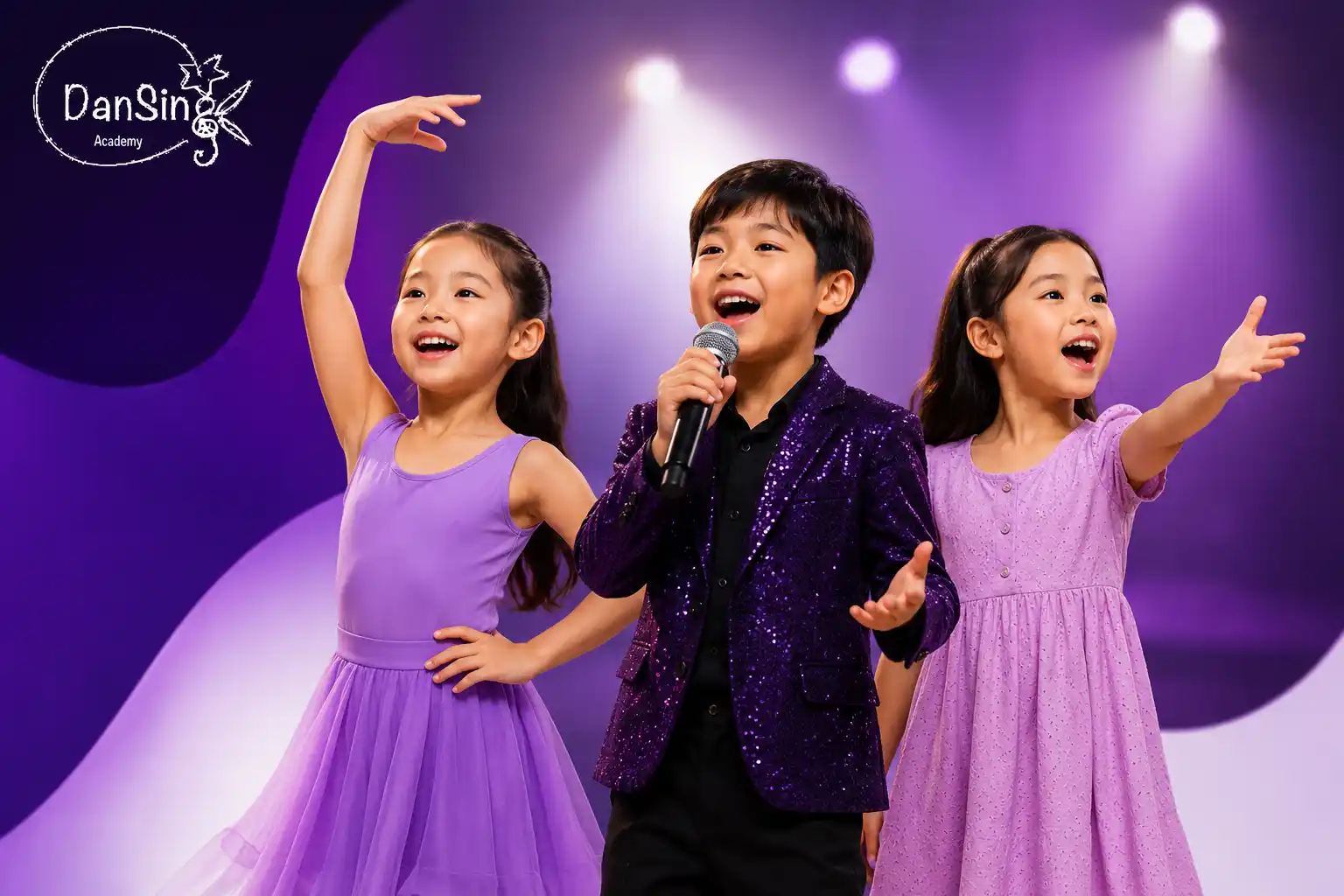
Through dance, singing, and acting, children gradually become comfortable expressing themselves, communicating with others, and performing in front of an audience. These experiences help them overcome fear, improve self-esteem, and develop strong communication skills that extend far beyond the stage.
Many parents wonder whether performing arts can really help shy or reserved children. The answer is yes. With supportive teachers, age-appropriate classes, and regular opportunities to perform, children often become more confident in both social and academic settings.
If you’re wondering when your child should begin, we recommend reading our guide on the best age to start performing arts classes. Starting at the right stage can help children build confidence naturally while enjoying the learning process.
In this guide, we’ll explore how performing arts helps children develop confidence, improve public speaking skills, and become creative, resilient communicators through dance, singing, and acting.
Why Confidence Matters During Childhood
Confidence influences almost every part of a child’s development. Confident children are more willing to try new experiences, ask questions, solve problems, and communicate with others. They are also more likely to recover from setbacks because they believe in their ability to learn and improve.
Strong communication skills are equally important. Whether answering questions in the classroom, making new friends, or speaking in front of an audience, children who can express themselves clearly often feel more comfortable in everyday situations.
Performing arts combines creativity with real-life communication experiences, allowing children to practise these skills in a supportive environment. Instead of simply learning techniques, they learn how to express ideas, work with others, and perform with confidence.
- Builds self-confidence through positive achievements.
- Improves communication and listening skills.
- Encourages creative thinking and self-expression.
- Develops resilience by learning from challenges.
- Helps children become more comfortable speaking in front of others.
- Supports teamwork and social development.
These lifelong skills don’t just help children on stage; they prepare them for success at school, in future careers, and in everyday life.
How Performing Arts Naturally Builds Confidence
Confidence doesn’t develop overnight—it grows through consistent practice, encouragement, and positive experiences. Performing arts creates the perfect environment for children to step outside their comfort zones while feeling supported by teachers and classmates.
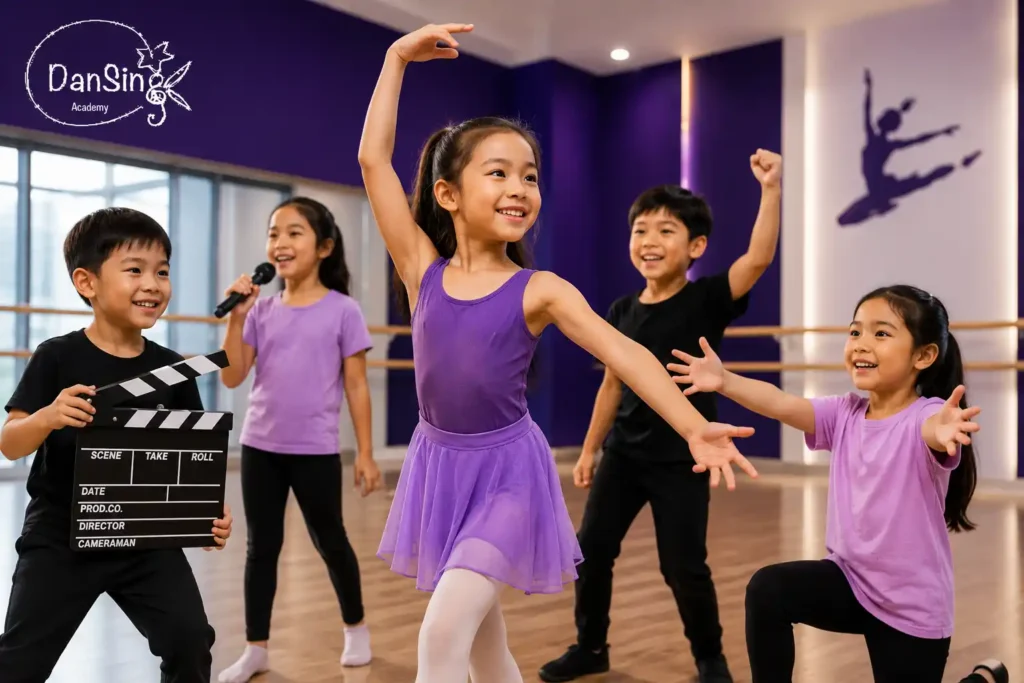
Every dance routine, singing exercise, drama activity, or stage performance gives children another opportunity to believe in themselves. As they overcome small challenges, they gradually become more confident both on and off the stage.
How Confidence Develops Through Performing Arts
| Performing Arts Experience | Confidence Skill Developed |
|---|---|
| Learning a new routine or script | Self-belief and perseverance |
| Practising regularly | Discipline and personal growth |
| Working with classmates | Teamwork and communication |
| Performing in front of an audience | Stage confidence and public speaking |
| Receiving encouragement from teachers | Positive self-esteem |
| Celebrating personal achievements | Motivation and resilience |
Key Ways Performing Arts Builds Confidence
- Encourages children to try new experiences without fear of failure.
- Helps children become comfortable expressing their thoughts and emotions.
- Develops resilience by teaching them that improvement comes with practice.
- Creates opportunities to perform in front of supportive audiences.
- Builds independence as children take responsibility for learning new skills.
- Celebrates individual progress instead of comparing children with others.
One of the biggest advantages of performing arts is that children gain confidence naturally while enjoying themselves. Rather than feeling like they’re practising public speaking or communication skills, they’re simply having fun through dance, singing, and acting.
If you’re still deciding which discipline best matches your child’s personality, our guide comparing singing, dancing, and acting classes can help you choose the right starting point.
Equally important is selecting a supportive academy where children feel encouraged to learn and grow. Our guide to choosing a performing arts school in Singapore explains what parents should look for before enrolling.
Dance Classes Help Children Build Self-Confidence
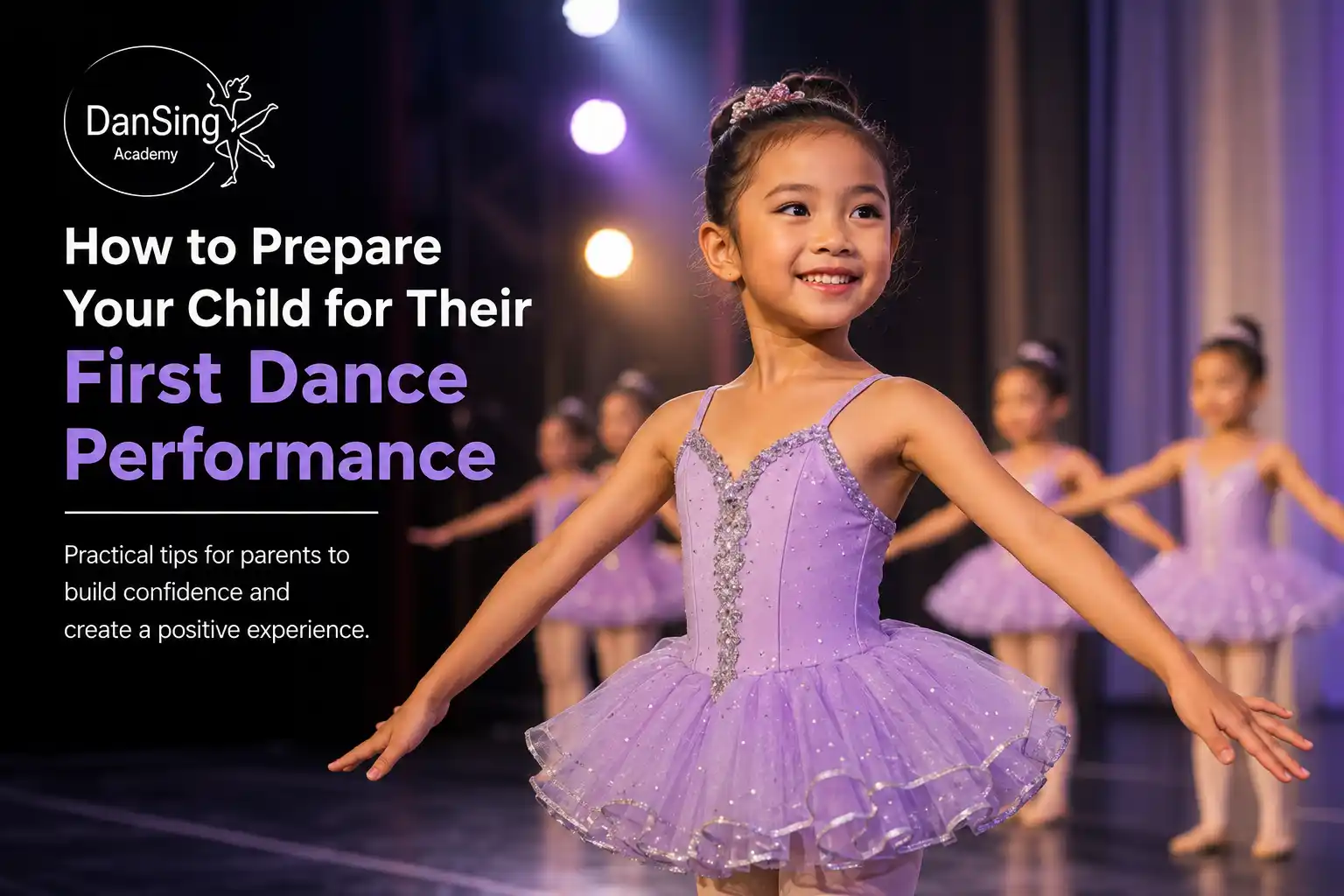
Dance is often one of the first performing arts children experience. It combines movement, music, creativity, and teamwork, helping children develop confidence in both their abilities and themselves.
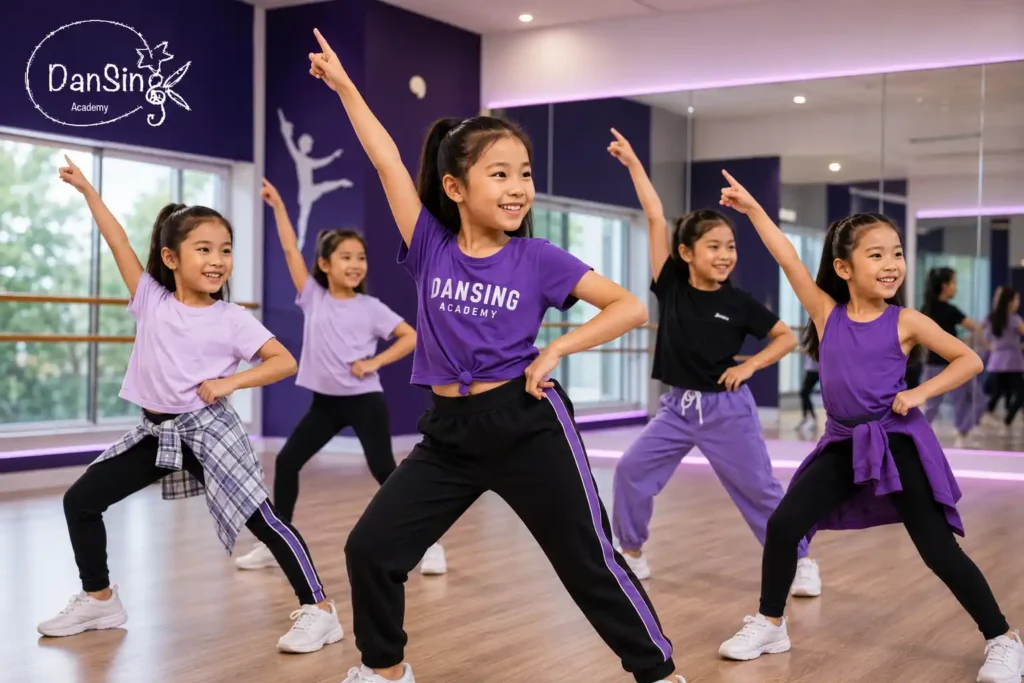
As children master new movements, perform routines, and celebrate their progress, they begin to trust their own abilities. Even small achievements—such as learning a new step or performing in front of parents—can significantly boost self-confidence.
Dance Classes Help Children Build Self-Confidence
Dance is one of the most effective ways for children to build confidence because it combines movement, creativity, teamwork, and achievement. Every new step they learn and every routine they complete gives them a sense of accomplishment that boosts their self-esteem.
Unlike competitive environments that focus only on results, quality dance classes encourage children to celebrate personal progress. As they improve their coordination, balance, and performance skills, they naturally become more confident in themselves.
How Dance Builds Confidence
- Encourages children to step outside their comfort zone.
- Improves body awareness and coordination.
- Builds resilience through regular practice.
- Creates opportunities to perform in front of supportive audiences.
- Develops teamwork through group routines.
- Celebrates effort and personal improvement.
| Dance Activity | Confidence Benefit |
|---|---|
| Learning new choreography | Builds self-belief and perseverance. |
| Performing on stage | Reduces fear of being in front of others. |
| Group dance routines | Improves teamwork and trust. |
| Receiving teacher feedback | Encourages continuous improvement. |
| Celebrating milestones | Increases motivation and confidence. |
Research has consistently shown that dance supports children’s physical, emotional, and social development. If you’d like to explore these benefits further, read our guide to the benefits of dance classes for child development.
If your child enjoys movement and creative expression, explore our Dance Classes for Kids, where experienced instructors help students build confidence while developing essential dance skills.
Singing Helps Children Find Their Voice
Singing is much more than learning songs—it helps children develop confidence in using their own voice. As they improve their vocal skills, children become more comfortable expressing themselves, communicating clearly, and performing in front of others.
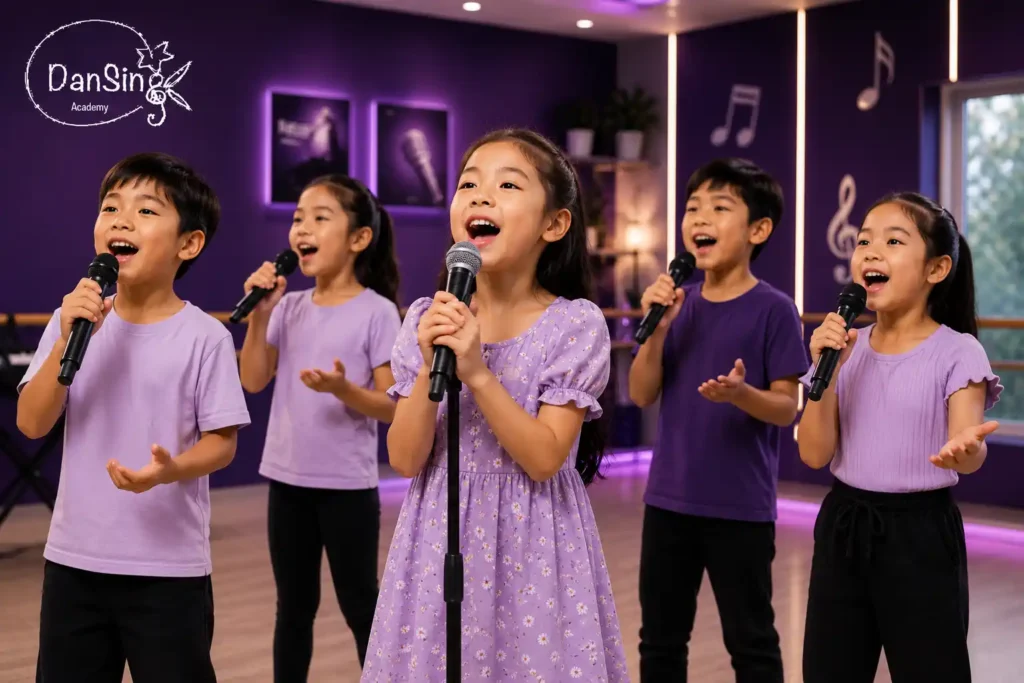
Many children who begin singing classes become more confident speaking in school presentations, participating in classroom discussions, and interacting with friends because they learn to project their voice and communicate with greater clarity.
How Singing Builds Confidence
- Improves vocal projection and clarity.
- Develops communication and listening skills.
- Encourages emotional expression through music.
- Builds confidence performing in front of audiences.
- Strengthens concentration and memory.
- Helps children become comfortable using their voice.
| Singing Activity | Confidence Benefit |
|---|---|
| Learning new songs | Develops confidence through achievement. |
| Breathing exercises | Improves vocal control and self-assurance. |
| Solo performances | Builds stage confidence. |
| Group singing | Encourages teamwork and collaboration. |
| Regular practice | Strengthens discipline and resilience. |
For children who love music and enjoy expressing themselves through singing, our Singing Classes for Kids provide a supportive environment where they can develop vocal technique, confidence, and stage presence while having fun.
Drama & Acting Improves Public Speaking Skills
Drama and acting classes are among the best performing arts activities for developing confident communicators. Through storytelling, role-playing, and stage performances, children learn how to express themselves clearly, speak confidently, and connect with an audience.
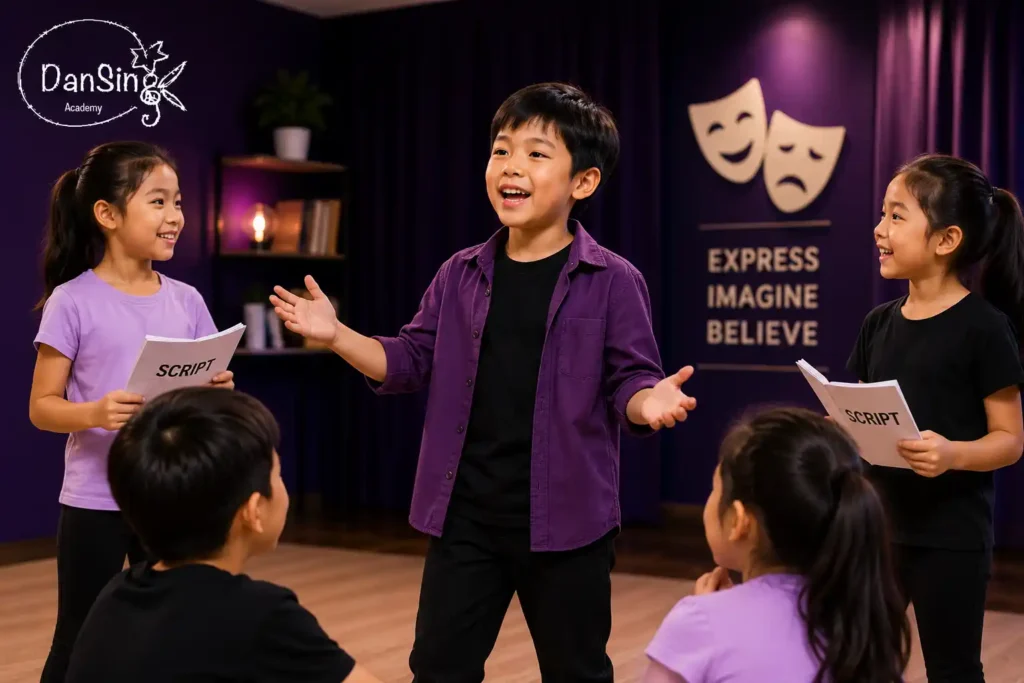
Many children who are naturally quiet or shy become more comfortable speaking in front of others after participating in acting activities. By stepping into different characters, they gradually overcome nervousness while developing stronger communication skills.
How Drama & Acting Builds Confidence
- Improves verbal communication skills.
- Develops public speaking confidence.
- Encourages creative thinking and imagination.
- Helps children express emotions confidently.
- Builds teamwork through group performances.
- Strengthens leadership and presentation skills.
| Drama Activity | Confidence Benefit |
|---|---|
| Role-playing exercises | Improves communication skills. |
| Storytelling activities | Develops creativity and imagination. |
| Stage performances | Builds public speaking confidence. |
| Group rehearsals | Encourages teamwork and collaboration. |
| Character development | Improves emotional expression. |
If your child enjoys storytelling and imaginative play, explore our Drama & Acting Classes for Kids to help them become confident communicators and expressive performers.
Confidence Skills Children Learn Through Performing Arts
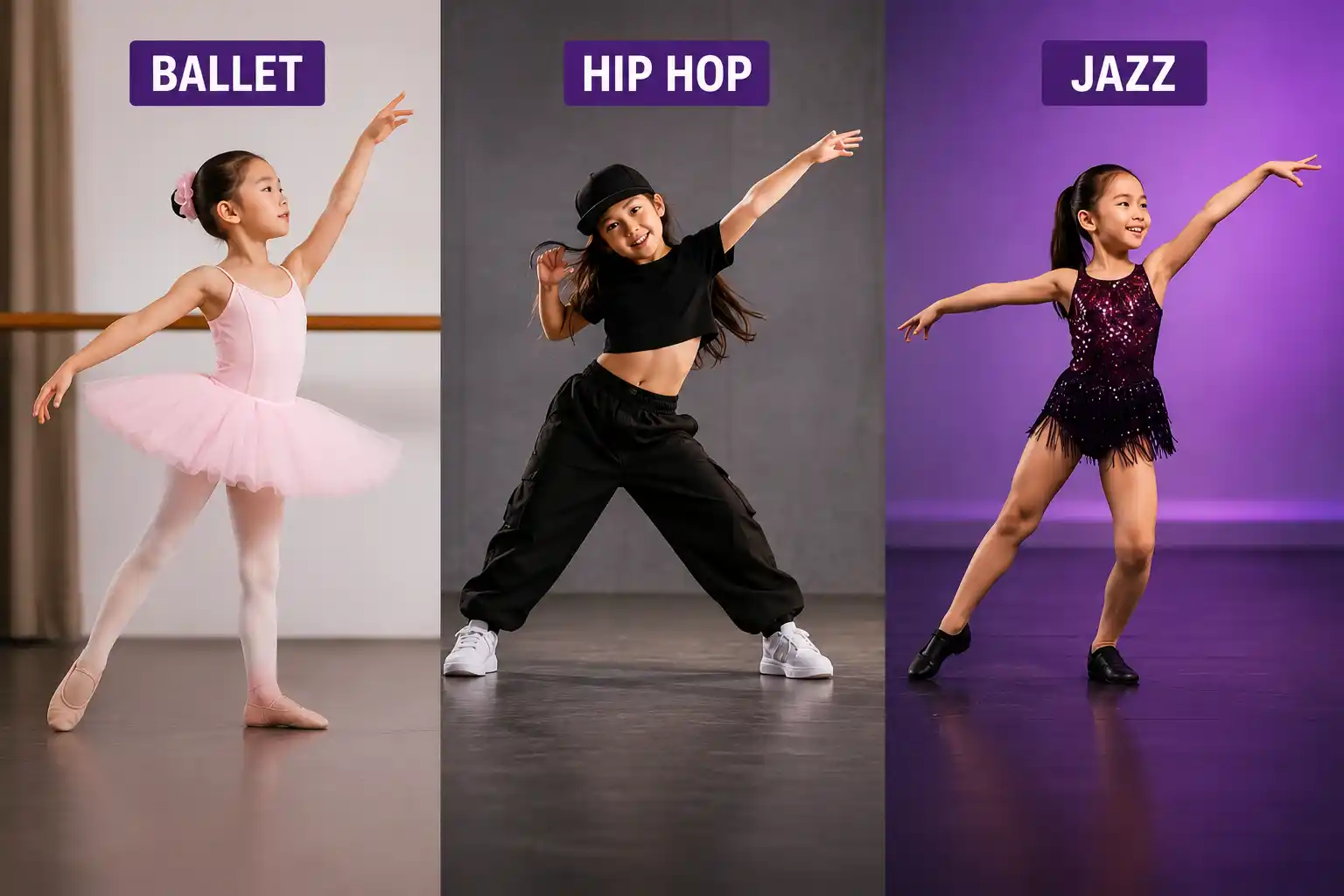
Although dance, singing, and acting each have their own strengths, they all contribute to building confidence in different ways. The comparison below highlights how each discipline supports your child’s personal development
| Skill | Dance | Singing | Acting |
|---|---|---|---|
| Self-Confidence | ★★★★★ | ★★★★★ | ★★★★★ |
| Communication | ★★★☆☆ | ★★★★☆ | ★★★★★ |
| Public Speaking | ★★☆☆☆ | ★★★☆☆ | ★★★★★ |
| Creativity | ★★★★☆ | ★★★★☆ | ★★★★★ |
| Teamwork | ★★★★★ | ★★★★☆ | ★★★★★ |
| Leadership | ★★★★☆ | ★★★★☆ | ★★★★★ |
| Stage Presence | ★★★★★ | ★★★★★ | ★★★★★ |
No matter which discipline your child chooses, performing arts helps them develop skills that extend far beyond performances. These experiences prepare children to communicate confidently at school, participate in group activities, and handle new situations with greater self-belief.
Signs Your Child Is Becoming More Confident
Confidence often develops gradually, making small improvements easy to overlook. Parents frequently notice positive changes after several weeks or months of regular performing arts classes.
Positive Signs to Look For
- ✔ Speaks more confidently at home and school.
- ✔ Volunteers to answer questions in class.
- ✔ Makes new friends more easily.
- ✔ Participates in performances without fear.
- ✔ Communicates thoughts and feelings more openly.
- ✔ Shows pride in personal achievements.
- ✔ Is willing to try new activities.
- ✔ Recovers more quickly from mistakes or setbacks.
These changes may seem small at first, but over time they contribute to stronger self-esteem, better communication, and greater independence.
Many parents also notice improvements in classroom participation, leadership, teamwork, and everyday conversations as their children become more comfortable expressing themselves.
How Parents Can Support Their Child’s Confidence Journey
Building confidence doesn’t happen only during class—it continues at home. Parents play an important role in encouraging children to believe in themselves, celebrate their progress, and enjoy learning without unnecessary pressure.
The goal isn’t to create a perfect performer. Instead, it’s to help children become confident, resilient, and willing to try new experiences.
Simple Ways Parents Can Build Confidence at Home
- Praise effort instead of focusing only on results.
- Celebrate small achievements and personal milestones.
- Encourage your child to practise without pressure.
- Allow them to make mistakes and learn from them.
- Attend performances and show your support.
- Ask about what they enjoyed after each class.
- Avoid comparing your child with others.
- Help them set realistic and achievable goals.
| Parent Action | Positive Impact |
|---|---|
| Celebrate progress | Builds self-esteem. |
| Encourage regular practice | Develops confidence through consistency. |
| Provide emotional support | Reduces fear of failure. |
| Attend performances | Shows encouragement and motivation. |
| Focus on enjoyment | Creates a positive learning experience. |
Children thrive when they know their parents support their efforts regardless of the outcome. This positive encouragement helps them become more willing to take on new challenges with confidence.
Why Choosing the Right Performing Arts School Makes a Difference
Even the most enthusiastic child needs the right environment to grow. Supportive instructors, age-appropriate lessons, and positive encouragement all contribute to building long-term confidence.
A quality performing arts academy focuses on each child’s individual progress rather than comparing students with one another. Experienced teachers understand how to motivate children while creating a safe environment where they feel comfortable expressing themselves.
Before enrolling, we recommend reading our guide to choosing a performing arts school in Singapore. It explains what parents should look for when selecting the right academy for their child.
If you’re still deciding which discipline may suit your child best, our comparison of singing, dancing, and acting classes can help you make an informed decision.
Ready to Help Your Child Shine?
Every child deserves the opportunity to discover their potential. Whether they’re naturally energetic, love music, enjoy storytelling, or simply want to try something new, performing arts provides a safe and inspiring environment where they can build confidence while developing valuable life skills.
At DanSing Academy, our experienced instructors help children grow through engaging dance, singing, and drama programmes designed for different ages and experience levels.
Explore our Performing Arts Classes and discover how the right programme can help your child become a confident communicator, creative thinker, and lifelong learner.
Frequently Asked Questions
Yes. Performing arts provides a supportive environment where children gradually become comfortable expressing themselves, performing in front of others, and communicating with confidence.
Dance, singing, and acting all help build confidence in different ways. Dance develops physical confidence, singing strengthens vocal confidence, and acting improves communication and public speaking.
Every child develops at their own pace. Many parents begin noticing positive changes after several weeks or months of consistent participation in performing arts classes.
Yes. Activities such as acting, singing, and stage performances help children become more comfortable speaking clearly, projecting their voice, and communicating in front of an audience.
There isn’t a single correct answer. The best choice depends on your child’s personality and interests. If you’re unsure, a trial class is a great way to discover what they enjoy most.
Absolutely. Most children participate to develop confidence, creativity, communication, teamwork, and social skills rather than pursue professional careers.
Final Thoughts
Confidence is one of the greatest gifts we can help children develop, and performing arts offers an enjoyable, supportive, and proven way to build it. Through dance, singing, and acting, children learn to communicate clearly, express themselves creatively, work with others, and face challenges with resilience.
Whether your child dreams of performing on stage or simply wants to become more confident in everyday life, the skills they gain through performing arts will continue to benefit them at school, in friendships, and throughout adulthood.
By choosing the right learning environment and encouraging your child’s unique interests, you’re giving them the opportunity to grow into a confident, creative, and capable individual ready to shine both on and off the stage.